
Last Friday, as part of the Women and Girls in Science activities, we visited CEIP Ángel León in Colmenar Viejo (Madrid) to speak with three groups of Year 6 students about PFAS and the work carried out within the SCENARIOS project.
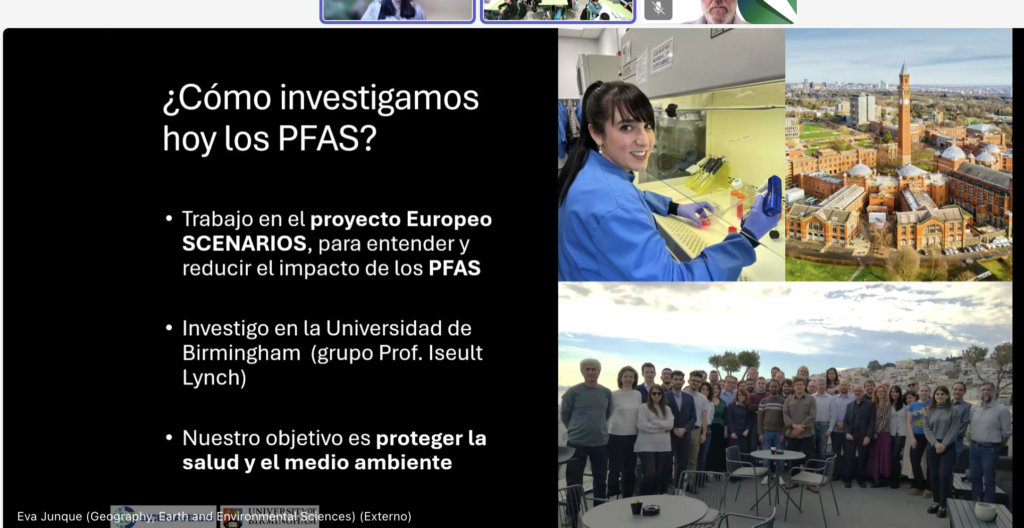
Senior researcher Dr. @Eva Junqué introduced the main concepts behind PFAS – often referred to as “forever chemicals” – while the session was facilitated by @Cintia Escandell. We were especially proud to highlight that both speakers were women in science, in connection with the International Day of Women and Girls in Science (11 February).
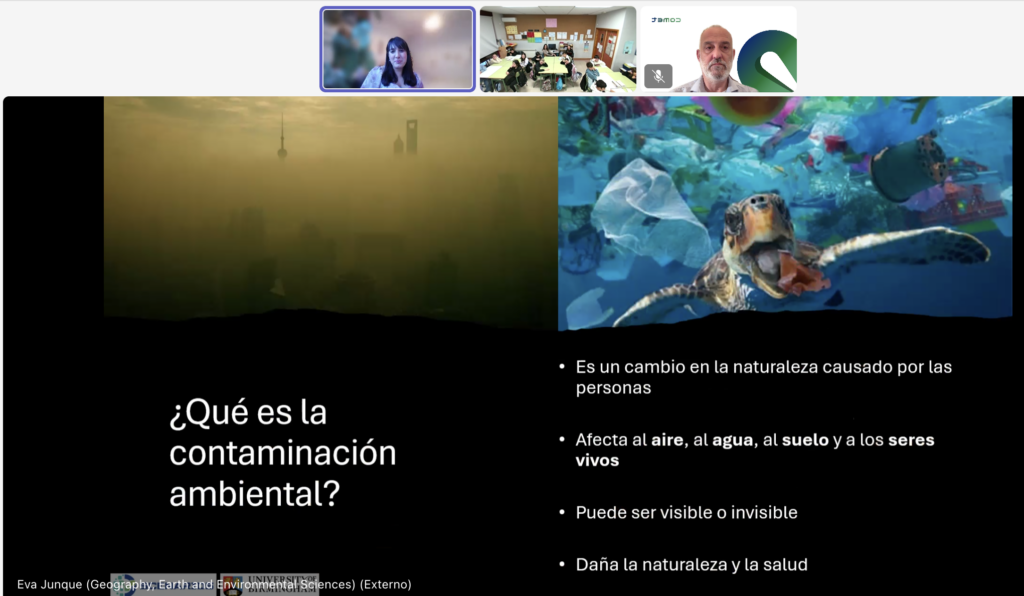
During the session, we explored how human activity has shaped the planet, and how synthetic chemicals and plastics have influenced environmental change over time. We explained what PFAS are, why they are so persistent, how they can travel through water and food, and why research projects such as SCENARIOS are essential to better understand and manage these substances.
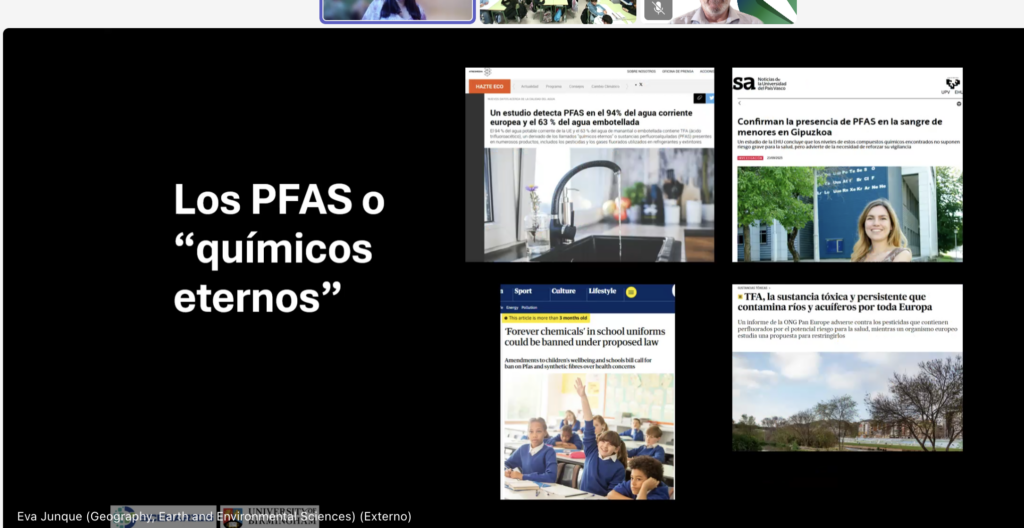
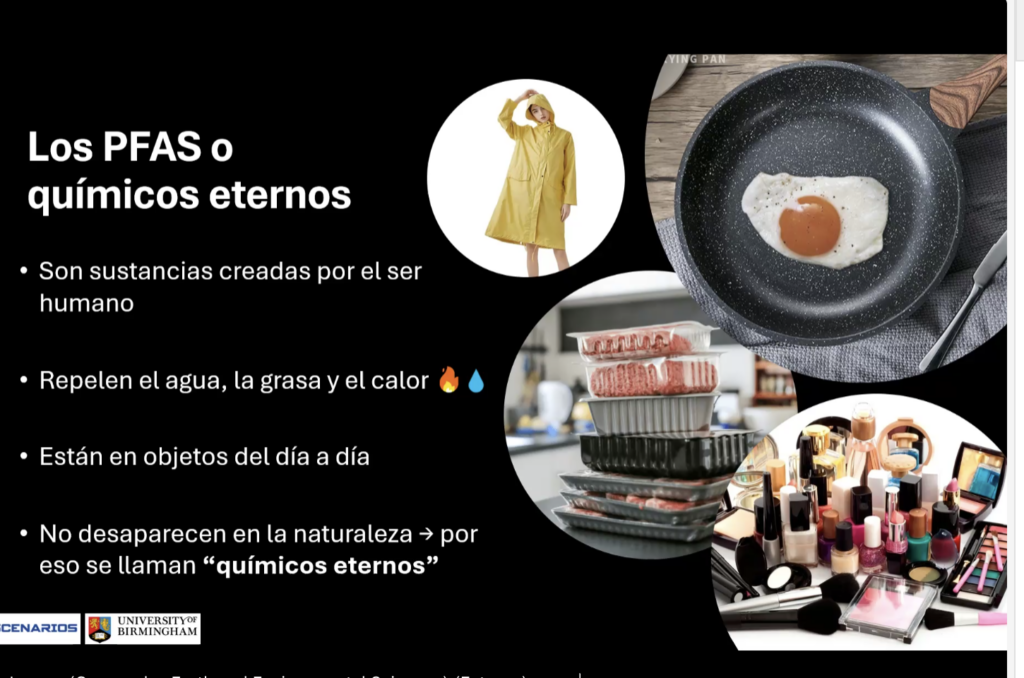
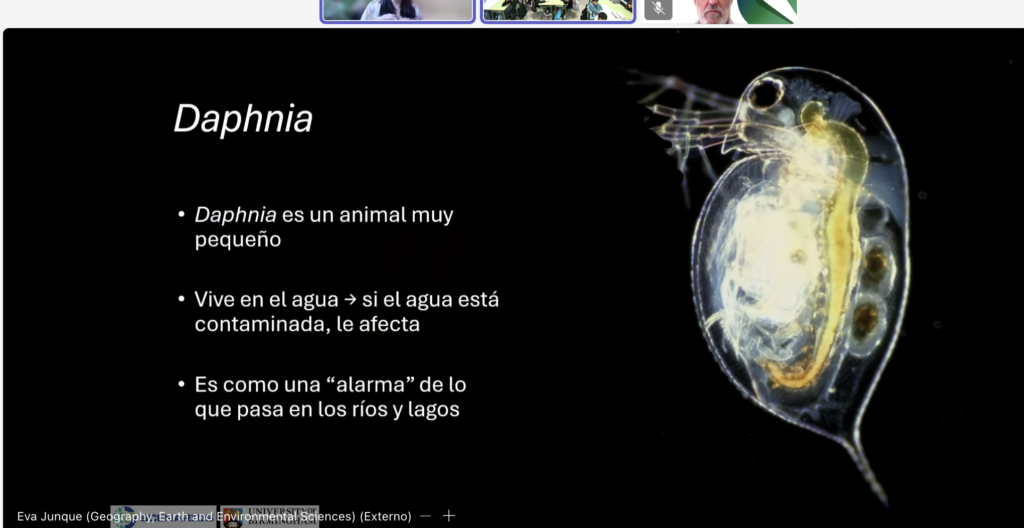
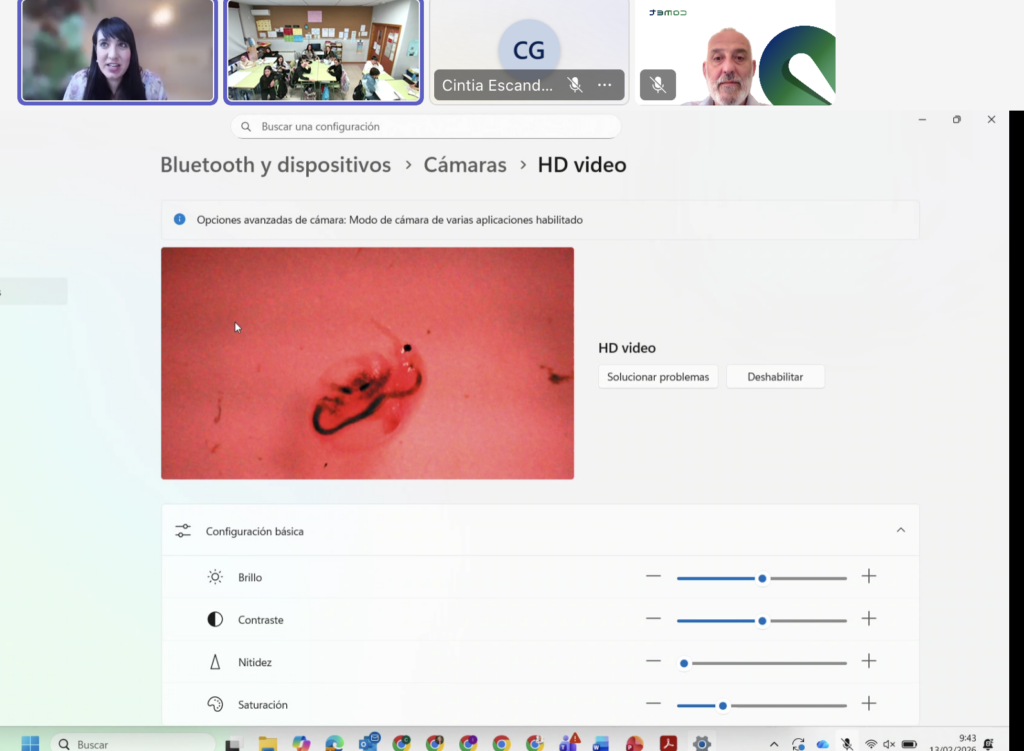
We also discussed how scientists “see the invisible”: analysing water, fish and even cells in the laboratory to understand where PFAS are found and how they may affect living organisms. The students were particularly fascinated by Daphnia – tiny freshwater organisms that act as living early-warning systems for water quality.
Their questions showed genuine curiosity and critical thinking: How do Daphnia help us detect contamination? In which foods can PFAS be found? How can we reduce exposure in everyday life? What happens if you swallow a Daphnia?
Curiosity is where science begins.
We even played a PFAS paper fortune teller!
We would like to thank CSIC, in particular IDAEA and Dr. @Carlos Barata, for their invaluable support with the Daphnia. The children loved seeing the Daphnia through the microscope!
 Scenarios project has received funding from the European Union’s H2020 programme under Grant Agreement No. 101037509.