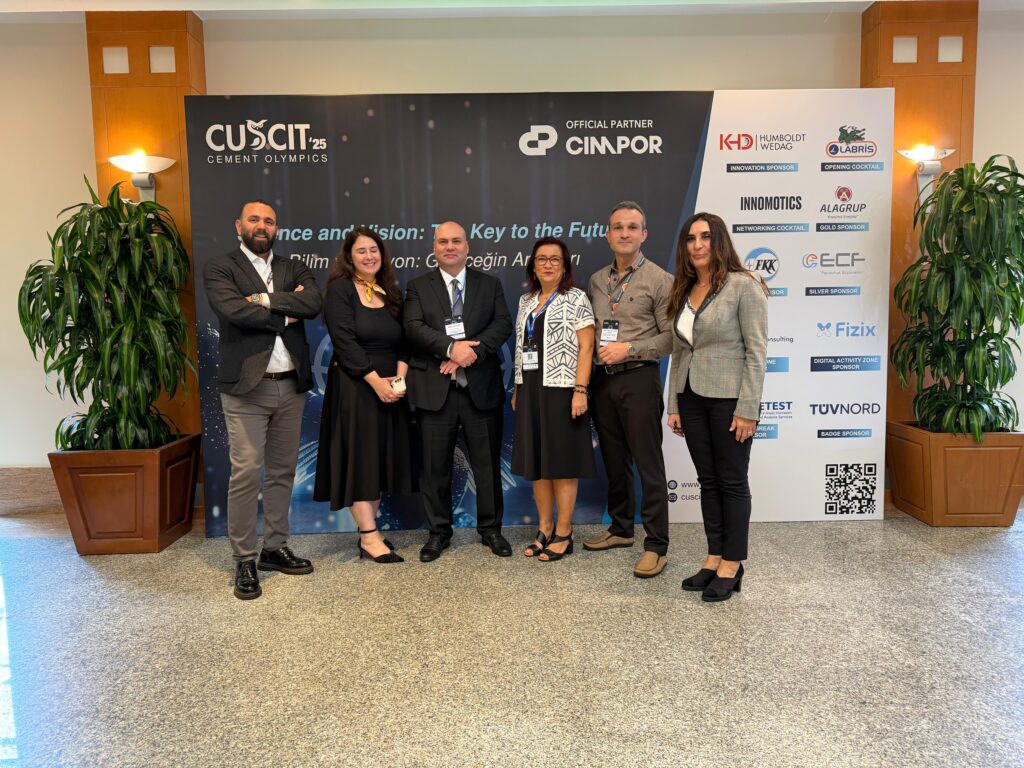
The next-generation knowledge-sharing and experience platform for the concrete and cement industry, CUSCIT’25 Cement Olympics, was held in Antalya Belek between 4–7 November 2025. Aiming to bring together academia’s knowledge base and research capacity with the current needs of industry, while also shaping academic work through practical industry experience, CUSCIT’25 addressed the sector’s transformation agenda under 5 main tracks structured around 13 different themes.
Enriched by technical presentations and expert contributions, the event featured speakers from the United Circles Project EU – Ankara Hub partners:
- Aygen Erkal (Türkiye İMSAD)
- Buğçe Canlı (Tepe Betopan)
- Assoc. Prof. Dr. Ergin Gülcan (Minomad)
- Mete Emre Ergüçlü (Vicat Group Türkiye)
- Dr. Tülay Çağlayan Özlü (Ekodenge)
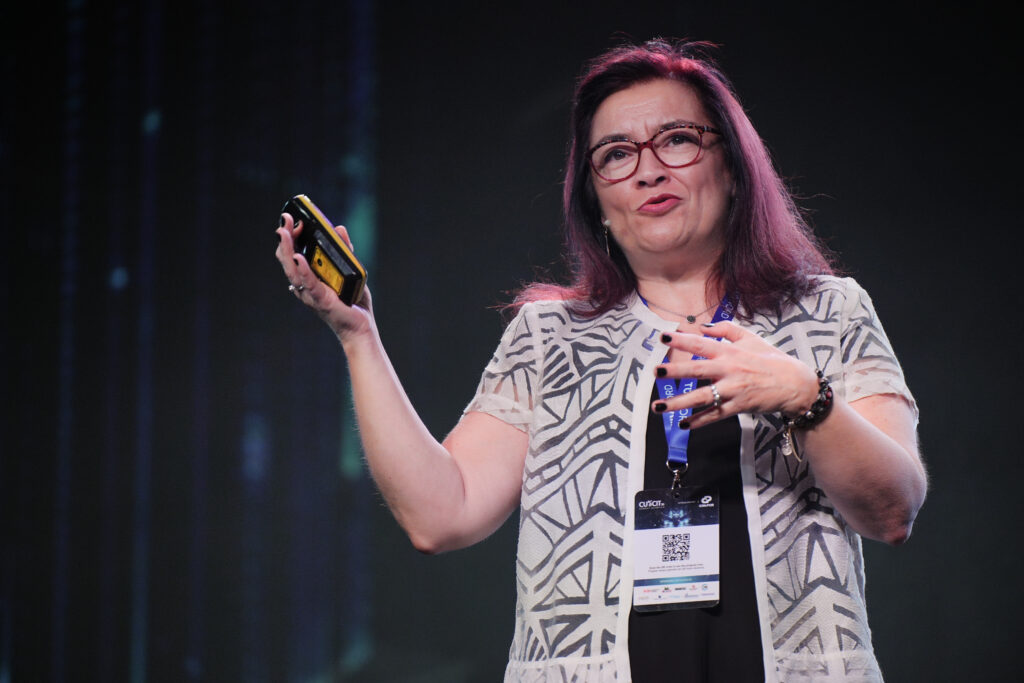
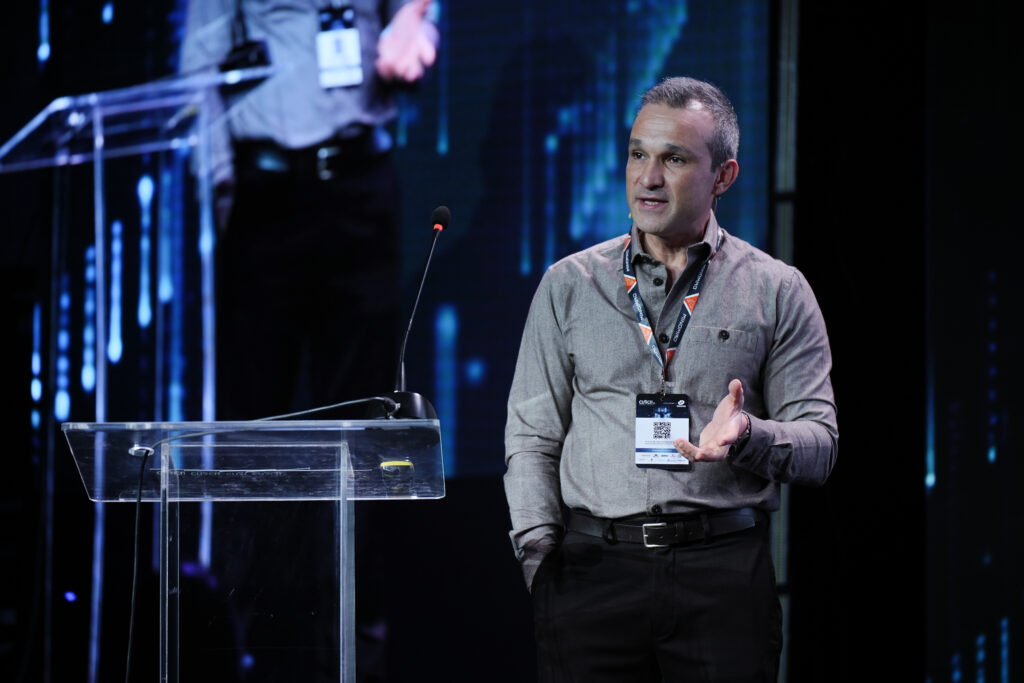
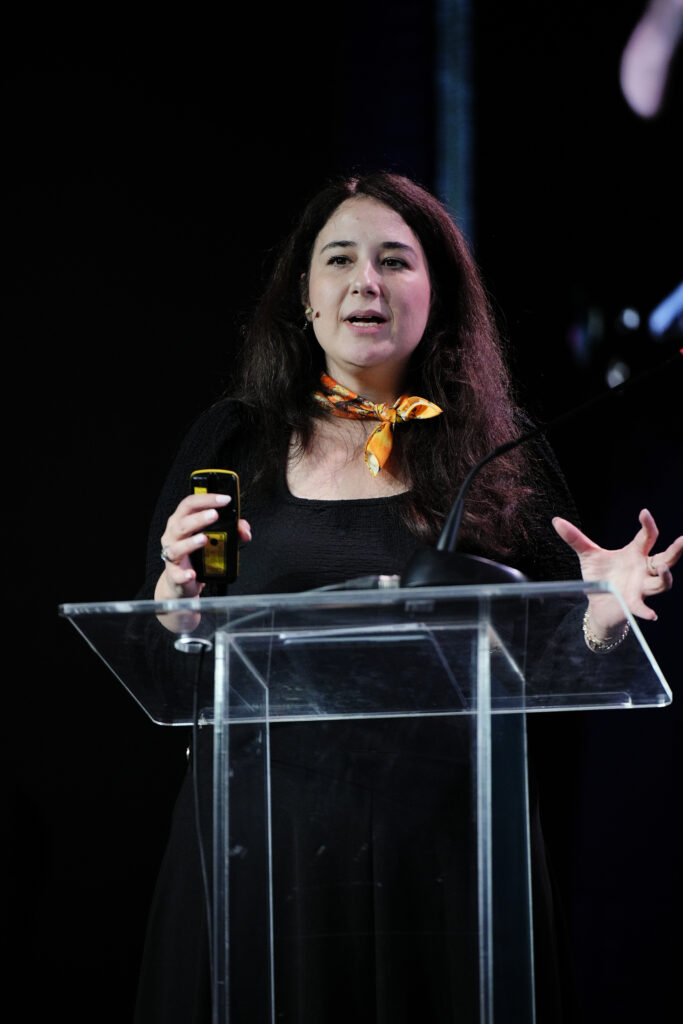
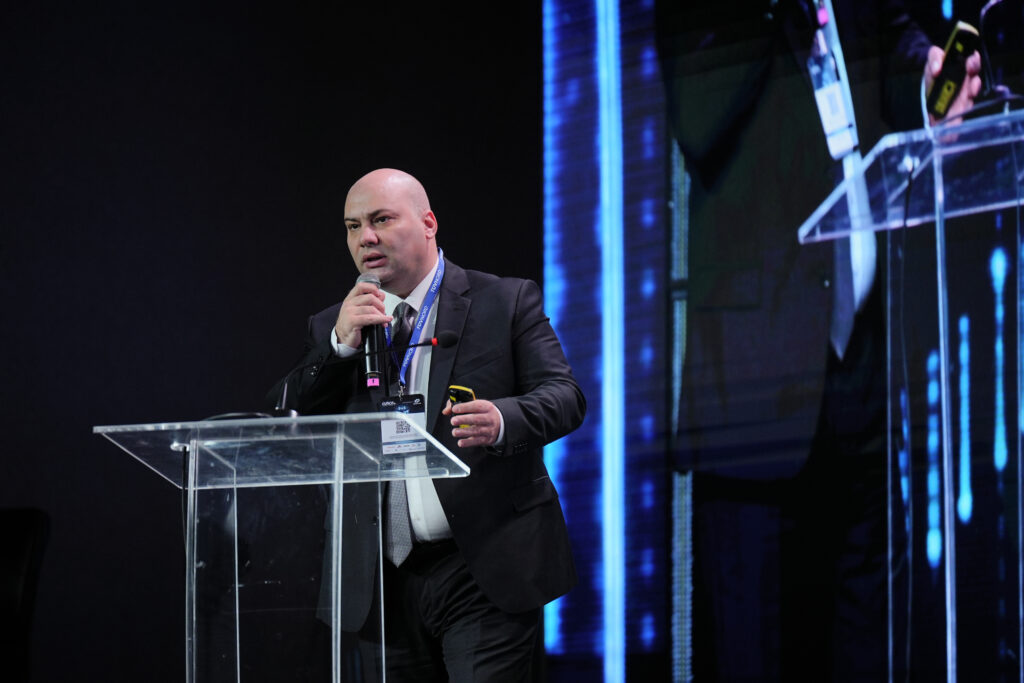
The speakers evaluated key topics, including the current state and future outlook of the construction materials sector, waste management, circular economy applications, digital traceability, carbonation-based process innovation, regulatory and standards compliance, and sustainable production models. Information about the United Circles Project was shared with the participants, including its objectives, activities, and especially its hubs and future plans. The event provided a valuable opportunity to network with potential stakeholders of the Ankara hub from the CDW-related sectors.
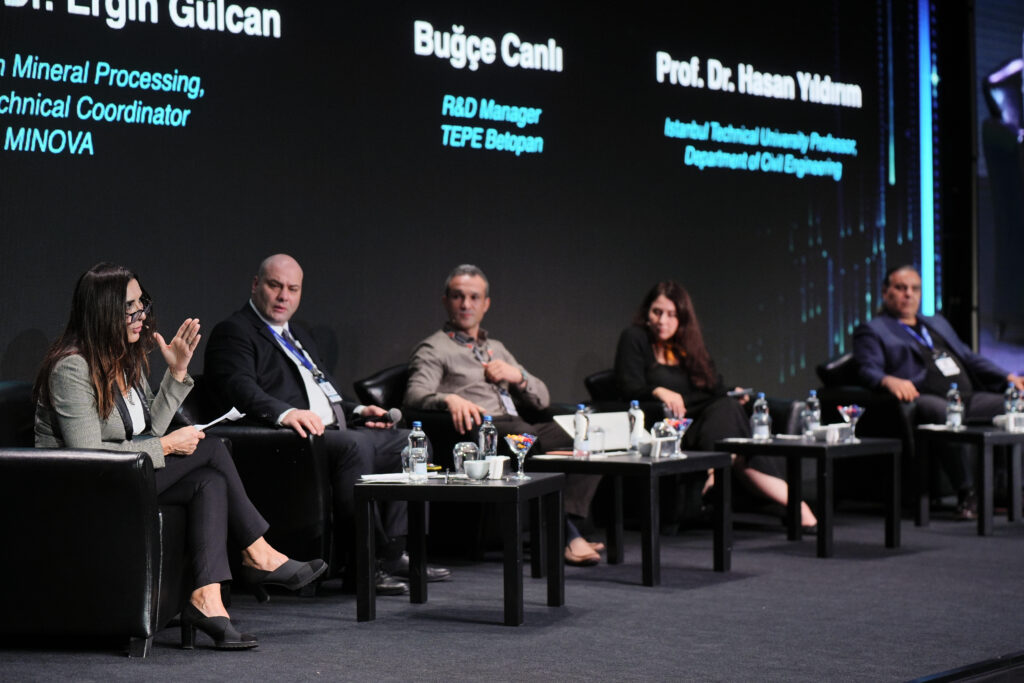
Throughout the event, particular emphasis was placed on the valorisation of construction and demolition waste, digital product passport applications, carbon reduction strategies, and strengthening industry–academia collaboration. With its technically in-depth content and multi-stakeholder structure, CUSCIT’25 stood out as a significant platform contributing to the green and digital transformation of the sector.
Written by Ankara Hub
 UNITED CIRCLES project has received funding from the European Union’s Horizon Europe programme under Grant Agreement No. 101178798.