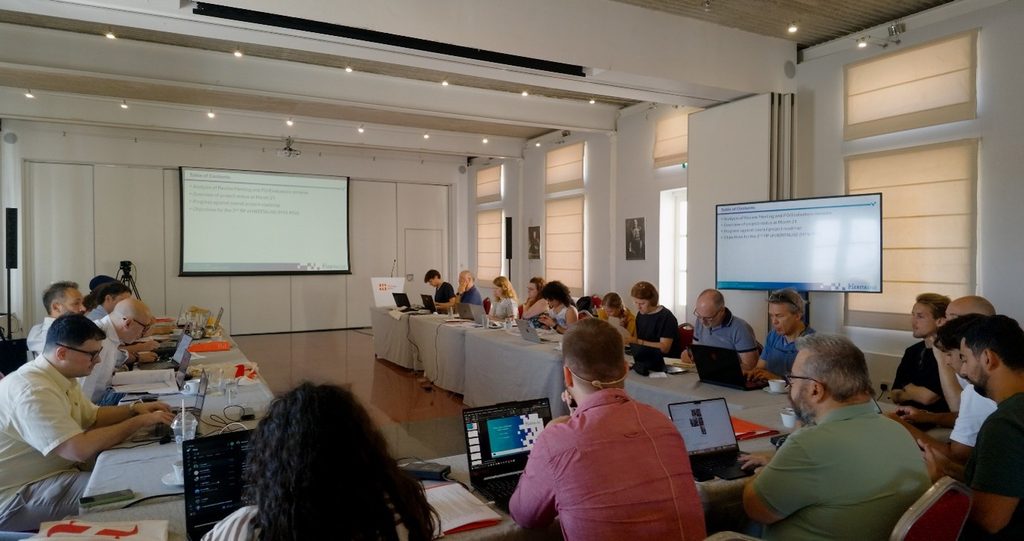
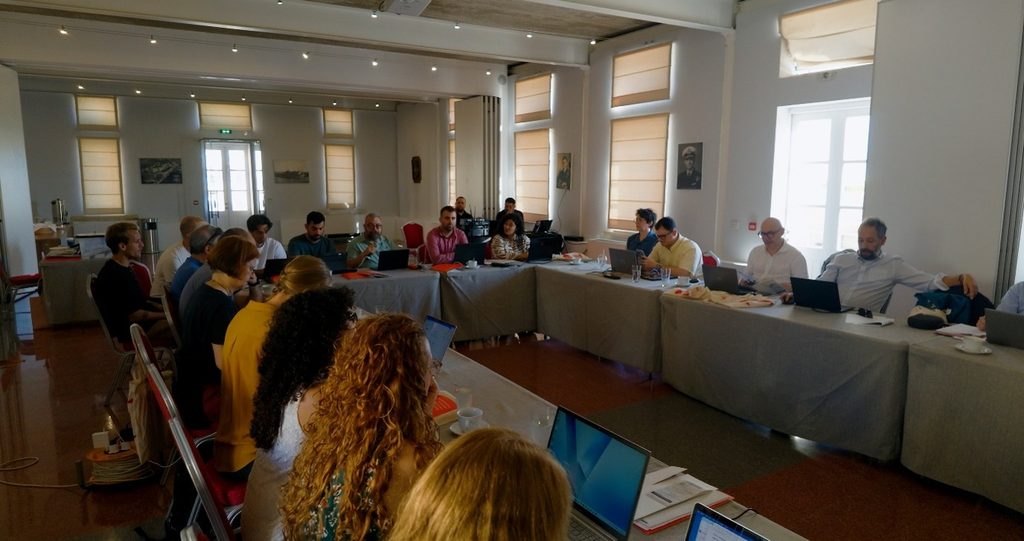
Partners of the HERITALISE project gathered in Malta for the consortium’s General Assembly, hosted by Heritage Malta between the 5th and 9th of October at Fort St Angelo, bringing together experts from across Europe to review project progress, coordinate upcoming activities, and strengthen collaboration across the various work packages.
The General Assembly provided an opportunity for partners to assess achievements to date, discuss ongoing developments across the project’s technical, scientific and dissemination activities, and define priorities for the next phase of implementation. Discussions focused on progress made across the HERITALISE ecosystem, the advancement of digitisation methodologies and services, and the continued development of tools and approaches that will contribute to the future digital transformation of cultural heritage.
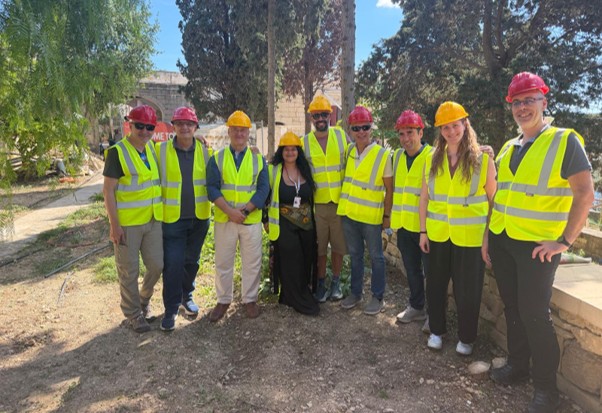
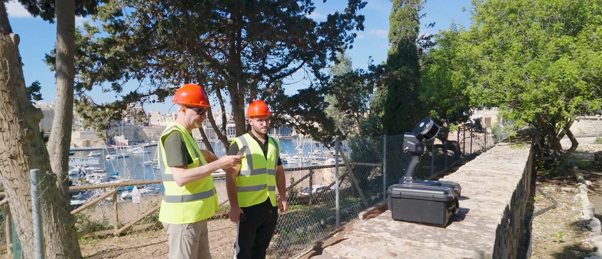
As part of the programme, consortium members also visited Villa Portelli, the Maltese pilot site within HERITALISE. One of four case studies being developed throughout the project, Villa Portelli plays a key role in testing and validating innovative approaches to heritage digitisation, documentation, conservation support and public engagement. The visit was strategically programmed to coincided with a series of collaborative acquisition activities designed to support ongoing work at the site while creating opportunities for knowledge exchange between partners. Building on Heritage Malta’s extensive digitisation efforts at Villa Portelli, specialists from across the consortium worked together to explore complementary documentation techniques and compare methodologies within a real heritage environment.
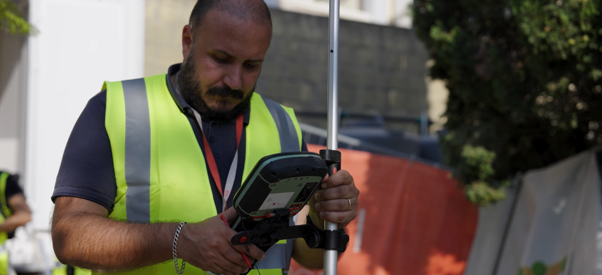
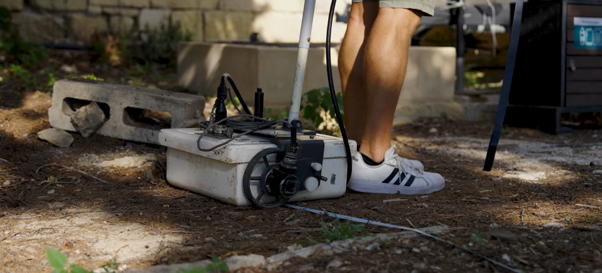
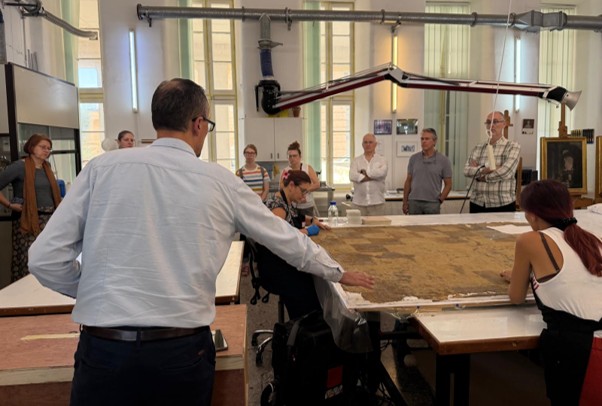
Activities included Ground Penetrating Radar investigations of the villa’s historic cisterns and wells, large-format Reflectance Transformation Imaging, environmental sensor testing within the historic gardens, and the evaluation of emerging recording methodologies such as SLAM and Gaussian Splatting. The programme also included technical discussions relating to the ongoing development of the Villa Portelli BIM and HHBIM environments, supporting the project’s broader ambitions for digital heritage management and digital twin development.
Beyond the technical activities themselves, the week provided valuable opportunities for cross-disciplinary collaboration, allowing partners to exchange expertise, compare workflows and identify synergies between different documentation approaches. These activities contribute directly to HERITALISE’s objective of developing interoperable and transferable methodologies that can support cultural heritage institutions across Europe.
The Malta programme concluded with visits to Heritage Malta’s specialised facilities, including conservation laboratories, scientific diagnostics services, digitisation and scanning facilities, and digital infrastructure. These visits highlighted the interdisciplinary nature of contemporary heritage practice and demonstrated how conservation science, digital technologies and heritage management increasingly work together to support the preservation, study and communication of cultural heritage.
By combining strategic planning, technical collaboration and practical field activities, the Malta General Assembly represented an important milestone for HERITALISE, reinforcing the project’s collaborative spirit and supporting continued progress towards innovative and sustainable digital heritage solutions.
Written by Heritage Malta team.
 ECHOES is a project funded by the European Commission under Grant Agreement n.101158081. The views and opinions expressed in this website are the sole responsibility of the author and do not necessarily reflect the views of the European Commission.