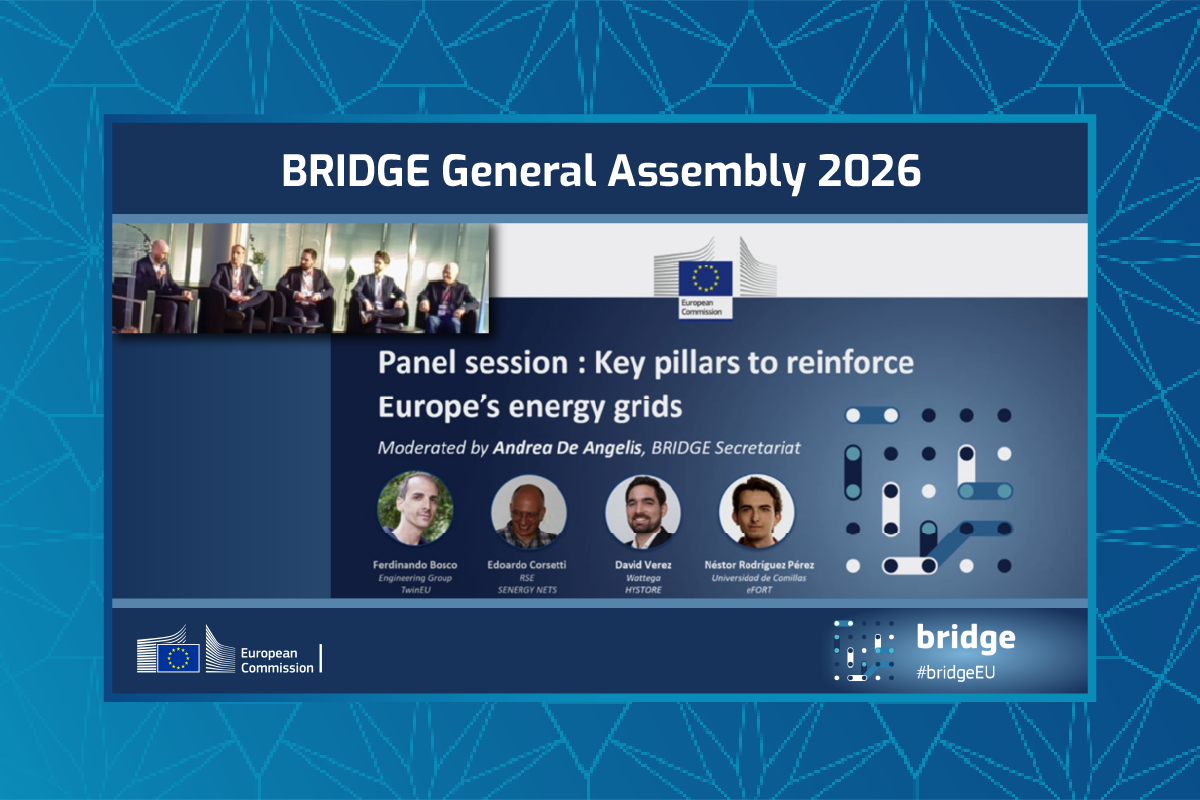
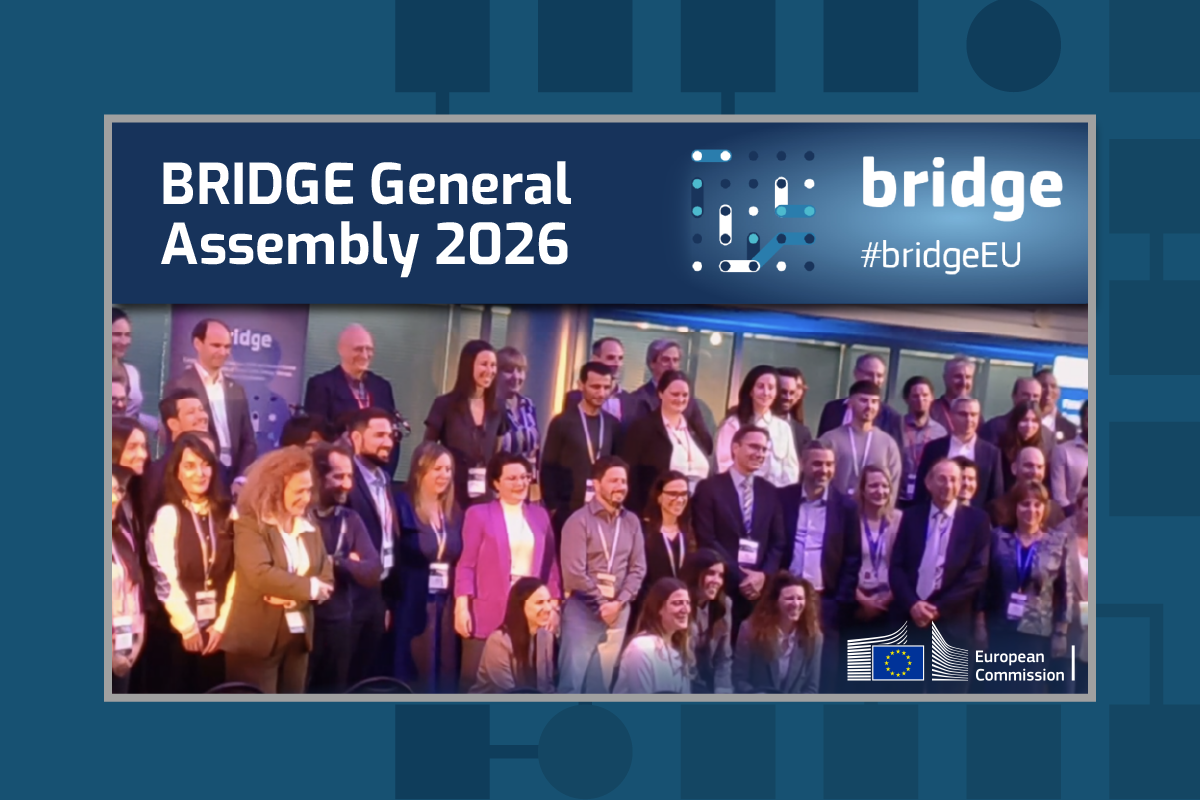
The BRIDGE General Assembly is the annual event of the BRIDGE initiative, bringing together Horizon Europe projects, policymakers, and key energy stakeholders. The Bridge General Assembly took place in Brussels on the 23 and 24th March and showcased project progress, share policy insights, and discussed collaborative strategies shaping the future…
In accordance with task T6.2 of the PECATHS Grant Agreement, we began a few months ago the process of mapping and locating sister projects funded under our same call, HORIZON-CL5-2024-D2-01. This initial approach aims to identify potential synergies, maximize the impact of the different projects, increase their visibility, and foster…
The Unit of Environmental Science & Technology (UEST) of the National Technical University of Athens was present at the 8th International Exhibition Verde.Tec 2026 (February 27 – March 1, Mediterranean Exhibition CenterPaiania) — Greece’s leading event for environmental technologies, circular economy, and smart cities. At Stand C12a, we showcased the…
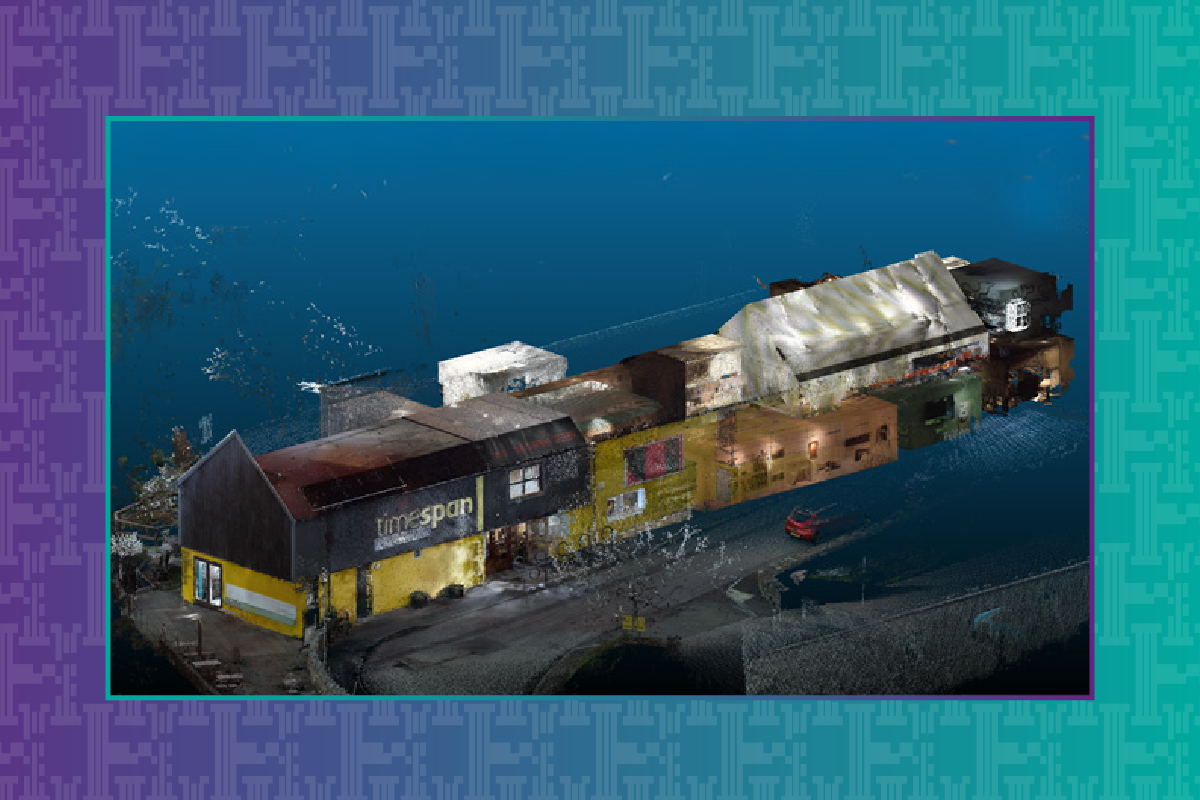
The 2nd general assembly of the Heritalise project marked an important step in the practical application of digital technologies for cultural heritage. Hosted at the TimeSpan Museum in Helmsdale- Scotland, the Assembly went beyond coordination and discussion, becoming a dynamic setting for hands-on experimentation and innovation. During this event, a…
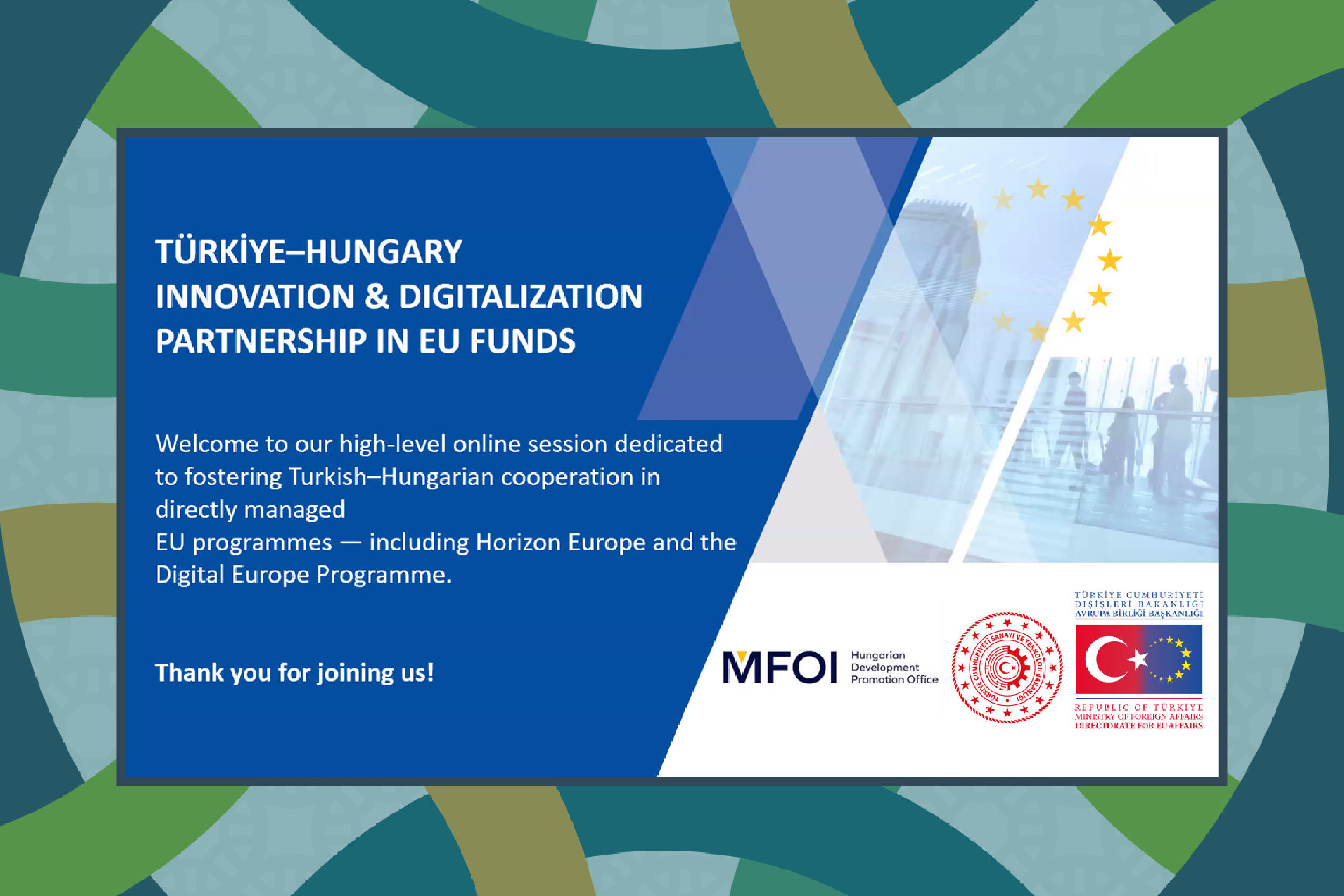
The online information meeting titled “Türkiye–Hungary Partnership in Innovation and Digitalisation under EU Funds”, organised in cooperation with the Republic of Türkiye Ministry of Foreign Affairs Directorate for EU Affairs and the Hungarian Development Promotion Office (MFOI), was held on 22 October. The meeting aimed to strengthen cooperation between Türkiye…
EIM is an innovation management and communication organisation with extensive experience in supporting European research and innovation projects. Its core expertise lies in dissemination, exploitation and stakeholder engagement, operating at the interface between research, industry and society. Through its involvement in numerous EU-funded initiatives, EIM supports project partners in translating…
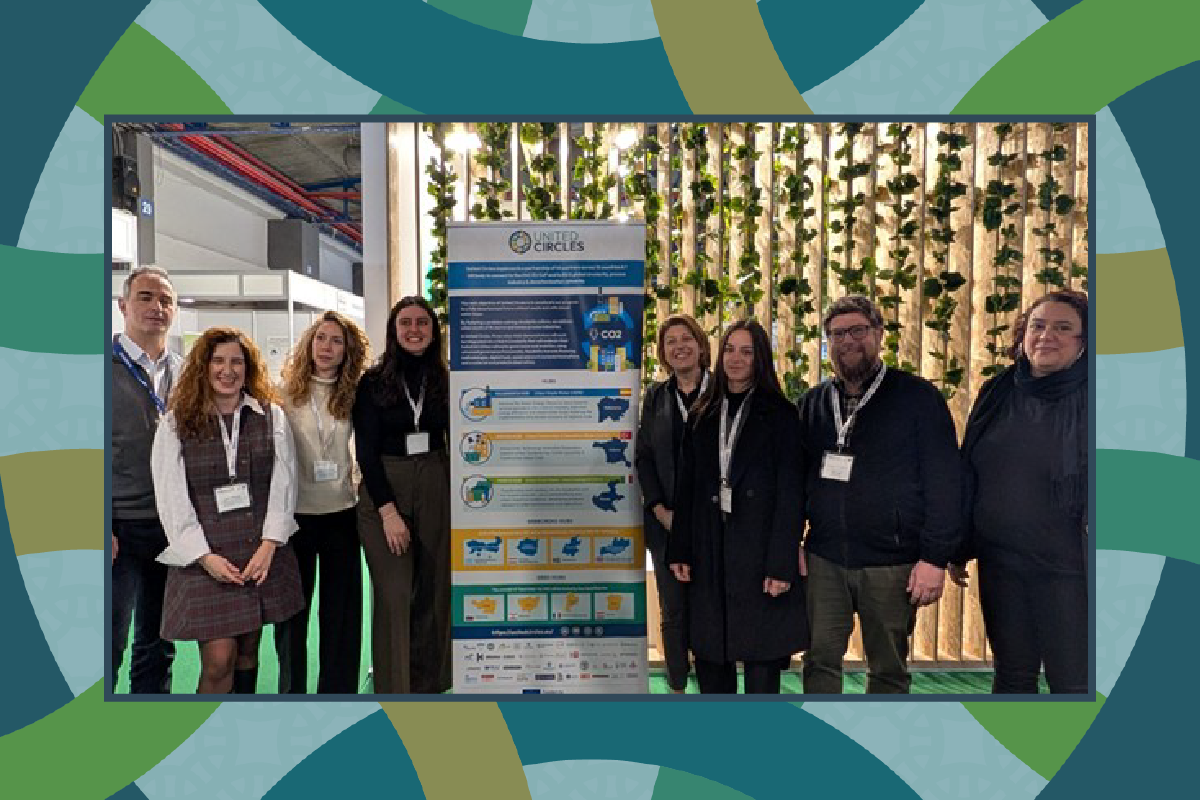
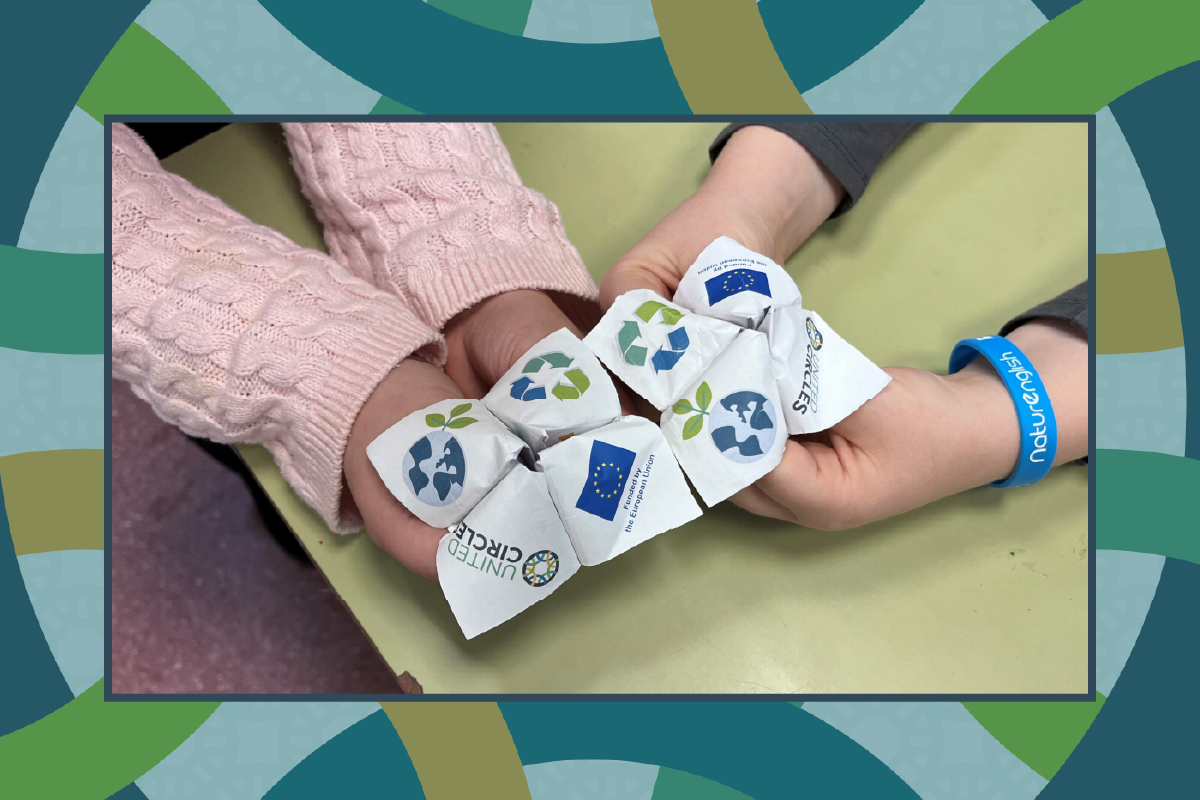
On February 9, in celebration of the International Day of Women and Girls in Science (11F), United Circles visited Ángel León School in Colmenar Viejo, Madrid. The session was facilitated by our colleague Cintia Escandell from COMET, yet another woman in science from the United Circles project. We were especially proud to highlight women in our…
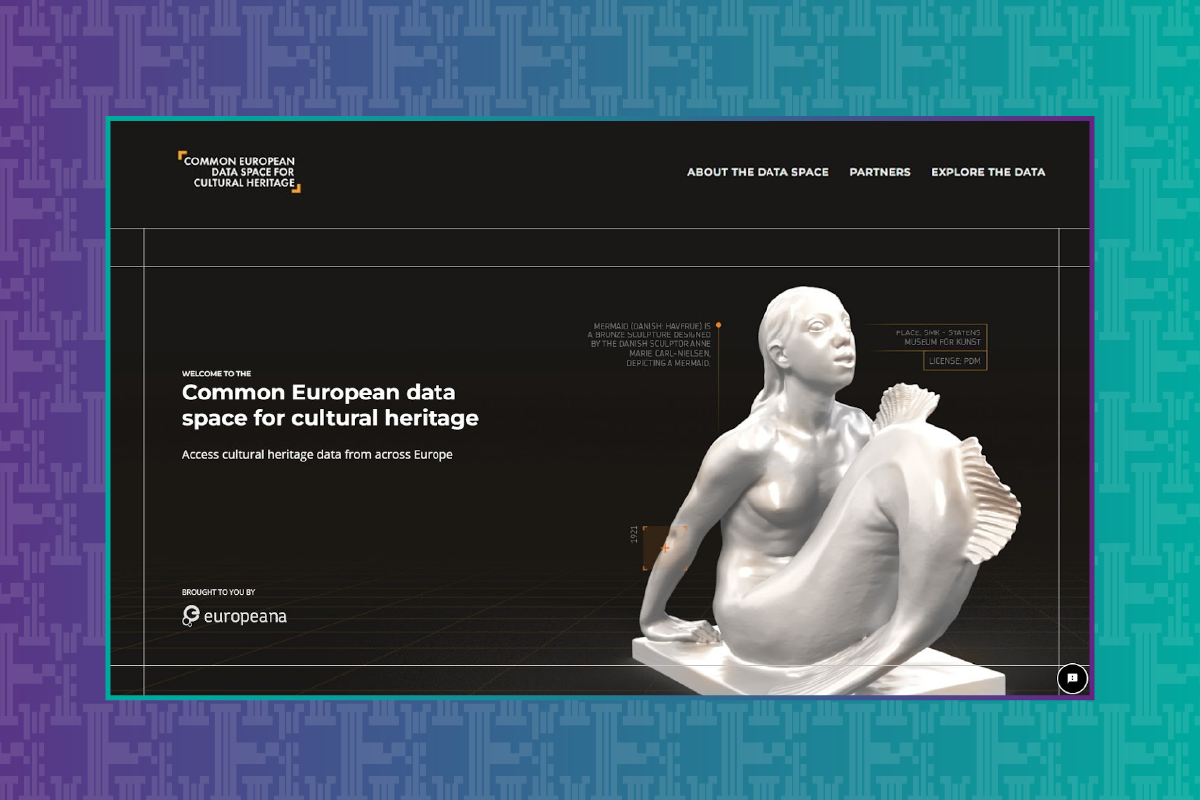
What is the common European data space for cultural heritage? How does it relate to and complement the European Collaborative Cloud for cultural heritage (ECCCH) and how does the HERITALISE project support their integration? Discover more in this post from the Europeana Foundation, a HERITALISE project partner. Screenshot of the…
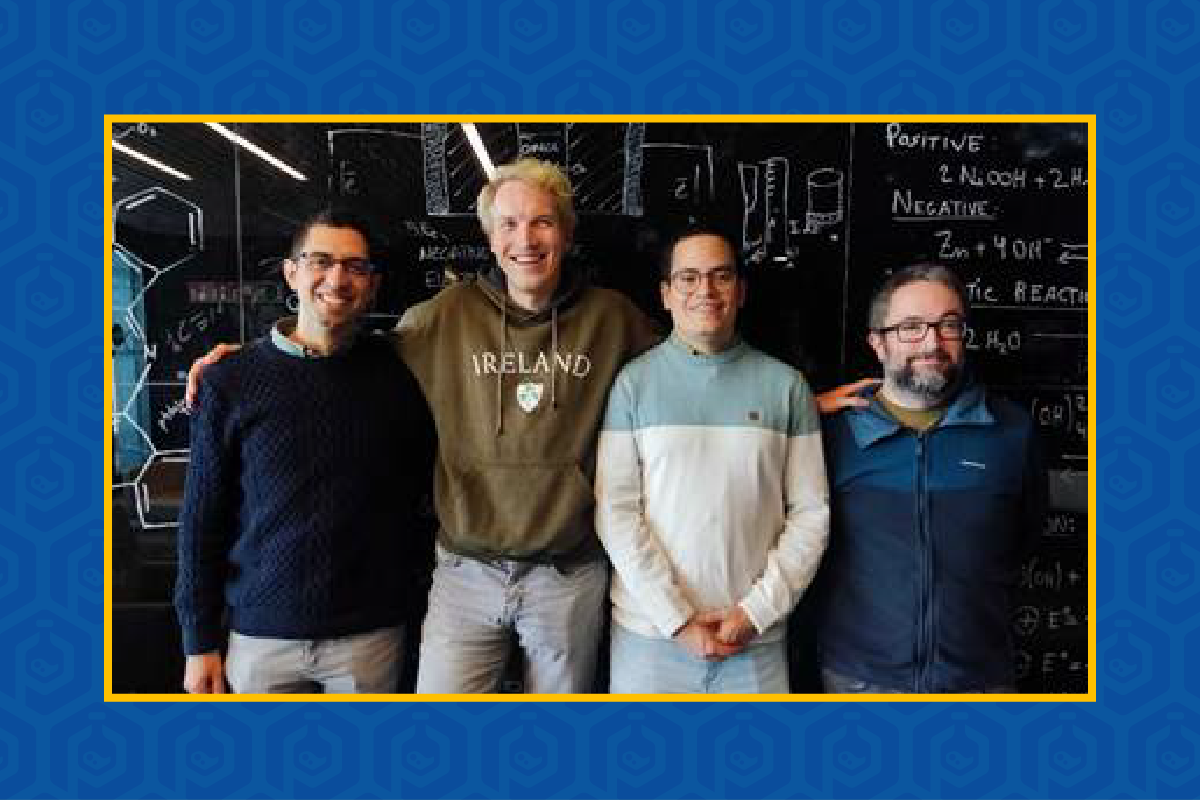
At CIC energiGUNE, the Atomistic Modeling for Catalysis (AMC) group advances the discovery of efficient, affordable, and sustainable catalytic materials to support Europe’s clean energy transition. By combining state-of-the-art computational chemistry with data-driven machine-learning approaches, the group delivers atomistic insights that connect fundamental understanding with real-world energy technologies. Within the…
The European project PeCATHS is pleased to present its new presentation video, an audiovisual piece that captures the essence and vision of this revolutionary initiative. The video, now available on our YouTube channel, offers a clear and concise introduction to the challenges PeCATHS is addressing and the innovative solutions it…
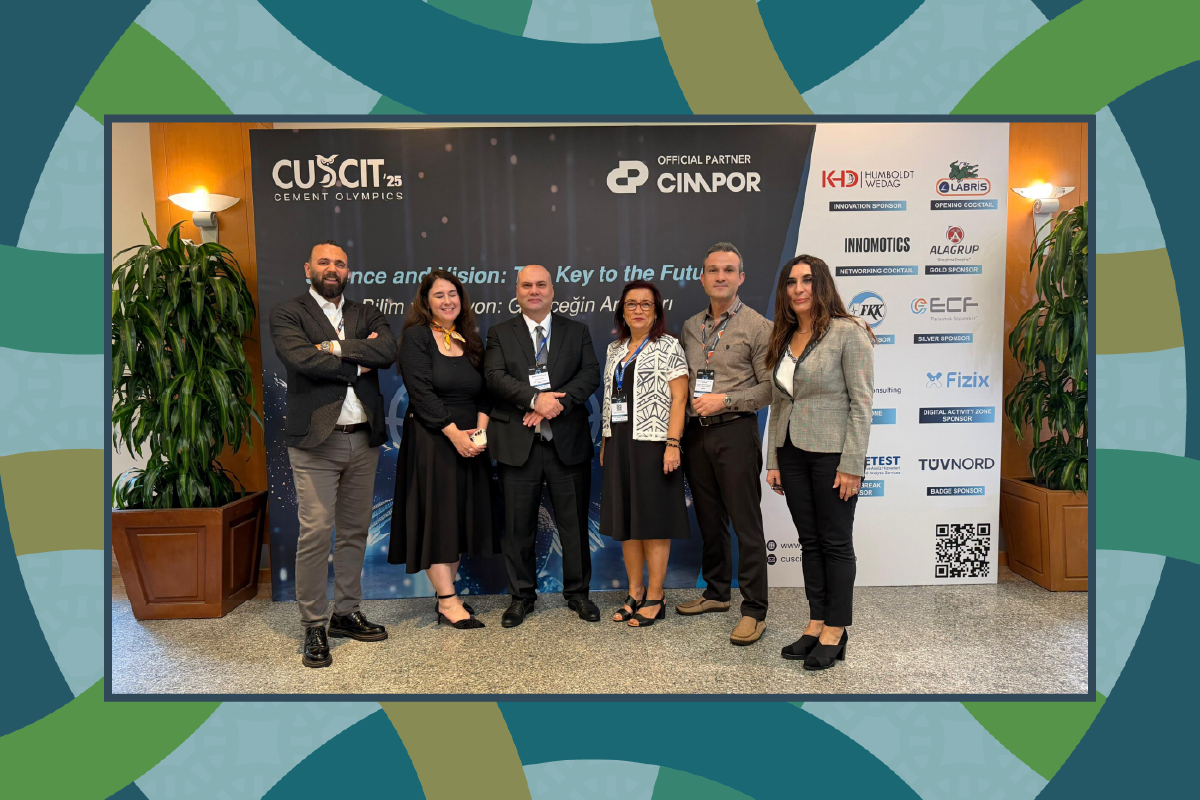
The next-generation knowledge-sharing and experience platform for the concrete and cement industry, CUSCIT’25 Cement Olympics, was held in Antalya Belek between 4–7 November 2025. Aiming to bring together academia’s knowledge base and research capacity with the current needs of industry, while also shaping academic work through practical industry experience, CUSCIT’25…