
In an era where digital technologies are reshaping how we understand and experience the world, the preservation and interpretation of cultural heritage are undergoing profound transformation. The interdisciplinary team of the Open Virtual Worlds (OVW) research group at the University of St Andrews develops workflows, tools and digital infrastructures for emergent 3D and immersive technologies to create virtual interpretations of natural and cultural heritage connected to local communities. Pairing expertise from computer science, heritage studies, history, and the creative arts, OVW has redefined how cultural heritage can be experienced, preserved, and shared. At the centre of this transformation is the group’s longstanding commitment to interdisciplinary collaboration, community engagement, and sustainable development.
A Vision for Digital Heritage
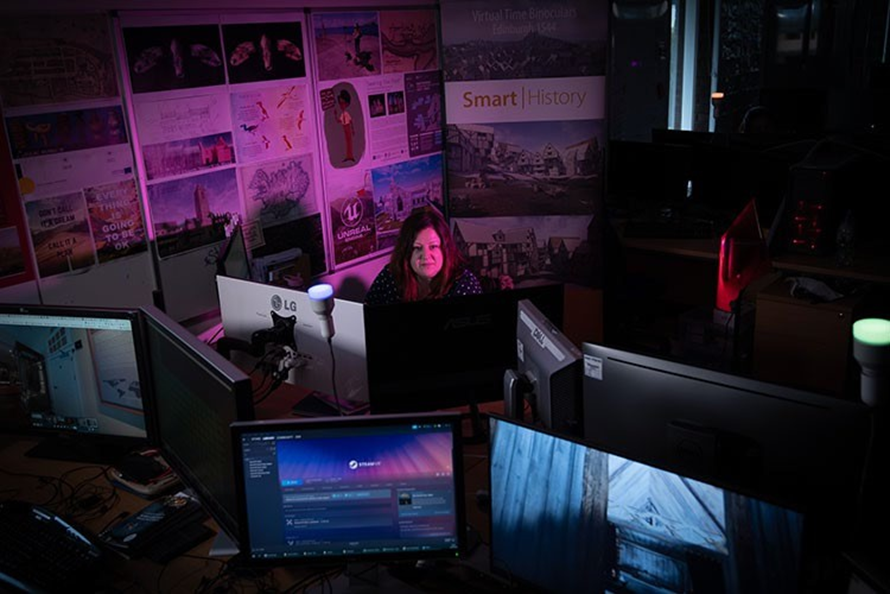
Figure 1 One of the Open Virtual Worlds team in the University of St Andrews School of Computer Science.
The OVW research group has been a multidisciplinary initiative based within the University of St Andrews School of Computer Science since 2007. It emerged from the work of Dr Alan Miller, whose research into open-world simulation sought to develop new methods for the communication and interpretation of archaeological data. From its inception, the group integrated expertise from archaeology, history and computer science, fostering collaboration between academic staff and doctoral researchers.
A seminal contribution of the group was the Laconia Acropolis Virtual Archaeology (LAVA) project, which established a cooperative virtual learning environment designed to support the pedagogical needs of archaeology students through simulated excavation scenarios. Building on this foundation, the group later undertook the large-scale virtual reconstruction of St Andrews Cathedral as it may have appeared in 1318. As one of Scotland’s significant medieval ecclesiastical sites, the cathedral held considerable importance within the religious history of Britain. The reconstruction facilitated user engagement through avatar-based interaction, object interrogation, and encounters with historical characters.
The OVW research group has established itself as a centre for research in digital heritage communication, underpinned by academic rigour, community-driven collaboration and sustainable practice. Its work emphasises participatory methodologies and long-term accessibility, aligning technological innovation with the needs of heritage stakeholders. It has been involved in internationally recognised projects including EU-LAC Museums (Horizon Europe), CINE (Interreg NPA), CUPIDO (Interreg), and PHIVE (Interreg NPA).
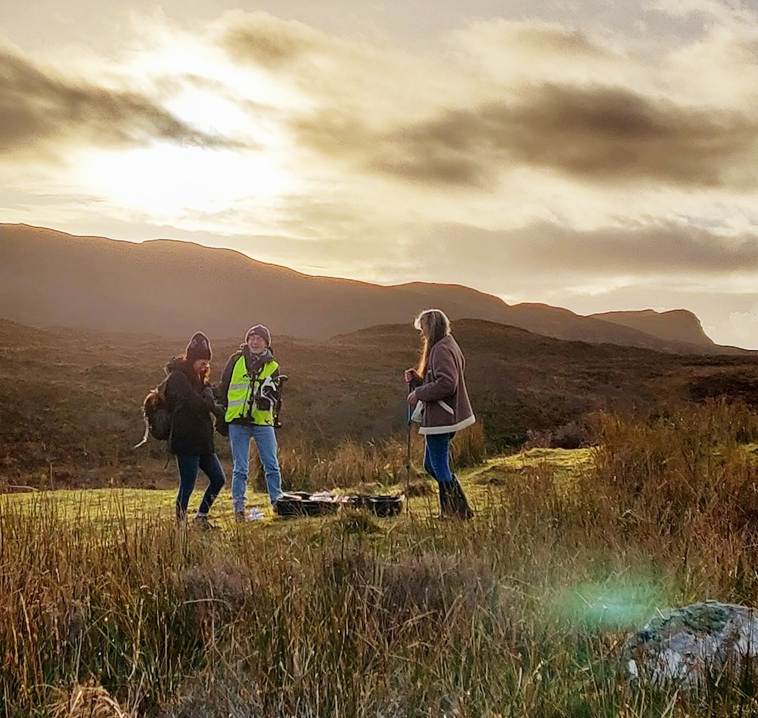
Figure 2 Flying the drone for a project on the Isle of Skye.
OVW has developed extensive collaboration with museums in Scotland, focusing on the visualisation and interpretation of cultural heritage. A significant aspect of this work has supported smaller, community-based museums and heritage organisations, enabling them to realise new possibility for the presentation and dissemination of local histories. These initiatives have expanded both the scale and reach of collections that were previously constrained by physical limitations.
The group’s outputs encompass a wide range of digital approaches, including virtual reconstructions, 3D digitisation, and immersive tours. These are delivered across multiple platforms, such as mobile applications, web-based virtual museum environments, on-site interactive installations, and remote-access experiences, facilitating diverse modes of public engagement.
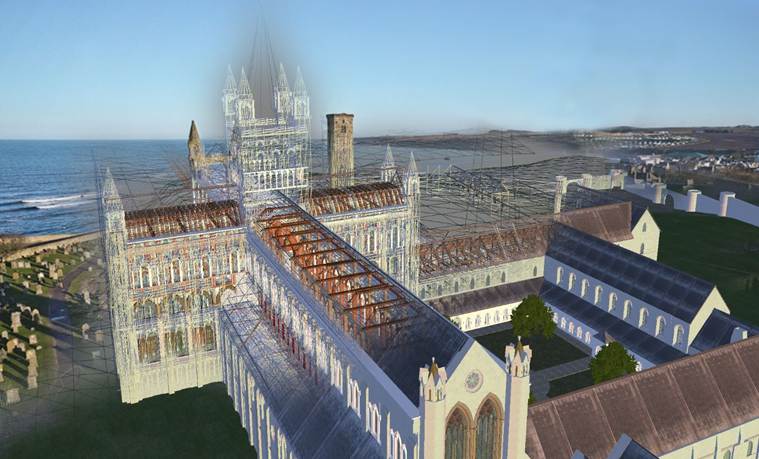
Figure 3 Real and virtual reconstructed view of St Andrews Cathedral.
Structure of Expertise
The strength of the OVW group lies in its interdisciplinary structure, which integrates multiple, complementary strands of expertise. Its activities may be understood through three interconnected areas:
- Technology and Systems Development
This strand centres on the design and implementation of the underlying infrastructures that enable digital heritage deployment. With a strong commitment to open-source principles, the group develops scalable frameworks to support virtual museums, digital archiving, immersive exhibition environments, and both web-based and mobile applications, ensuring technological systems are both robust and inclusive.
- Cultural Heritage Modelling and Reconstruction
A second core area focuses on the production of methodologically rigours digital reconstructions of historical sites, artefacts, and landscapes. These models are generated through the integration of archaeological evidence, historical documentation, and advanced surveying techniques. In parallel, the 3D digitisation of existing collections and sites adds to the breadth and fidelity of a virtual reconstructions but also contributes to the technical capacity of the associated heritage organisation.
- User Experience, Education, and Engagement
The third strand addresses the interpretation and dissemination of cultural heritage through interactive and immersive media. This includes the development of narrative-
driven experiences, participatory platforms, and user-centre design approaches that facilitate meaningful engagement and learning with diverse audiences. An immersive learning experience relies on technological mediation to facilitate meaningful interaction, employing rich and realistic forms of engagement designed to evoke both empathy and intellectual curiosity. By then also prioritising accessibility and co-creation, this work supports broader public understanding while empowering community to actively contribute to the representation of their own heritage.
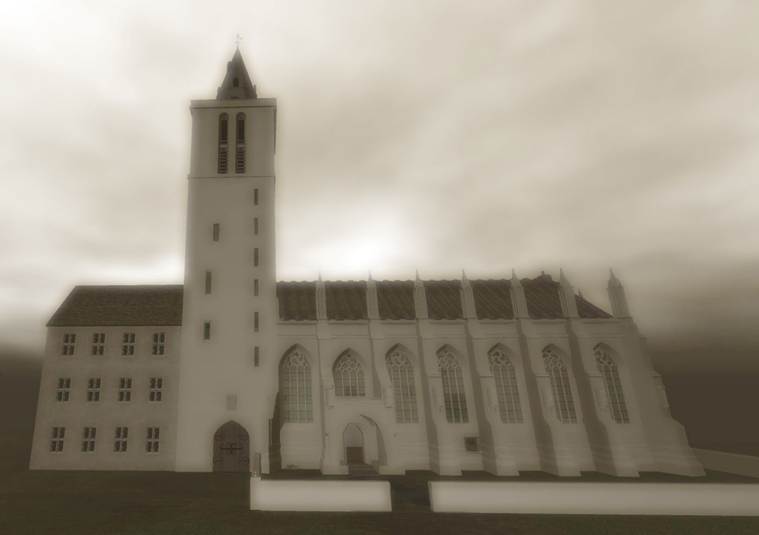
Figure 4 Virtual reconstruction of St Salvator’s Chapel and Ǫuad in St Andrews.
Open Virtual Worlds Within HERITALISE
The HERITALISE project seeks to advance the digitisation and understanding of cultural heritage through application of emerging technologies, including artificial intelligence and data integration frameworks. Central to its objectives is the resolution to the persistent challenges in the heritage sector: the fragmentation of datasets and the lack of standardised approaches to digitisation. By developing interoperable systems, HERITALISE seeks to transform how heritage information is stored, shared, and explored.
As an associated partner, the University of St Andrews OVW research group contributes specialised expertise at the intersection of immersive technologies, user engagement, and digital heritage interpretation. While a main concern for HERITALISE is the capture, organisation and interoperability of heritage data, OVW’s role focused on the experiential dimension of translating structured data into meaningful forms of interaction.
A key component of this contribution is the group’s virtual museum frameworks that enable intuitive engagement with complex and heterogeneous datasets. In this context, the proposed Virtual Museum Ecosystem support for XR (VMEX) will be comprised of a suite of services, client interfaces, tools and demonstrative applications. Built upon open-source software, these components combine to create a holistic system designed to connect heritage assets, communities, and sustainable development goals. Through the integration of Extended Reality (XR) technologies, VMEX facilitates immersive learning environments and exhibiting that enhances both interpretation and accessibility.
OVW’s established approach to “virtual museums without walls” aligns closely with HERITALISE and the ECCCH’s ambition to deliver heritage content through cloud-based platforms. By coupling immersive interfaces with distributed infrastructure, the project extends its reach to diverse user groups, including researchers, educators, and the public. This model supports broader access but also new forms of interaction with cultural heritage.
HERITALISE’s emphasis on interoperability is reinforced by OVW’s capacity to design platforms capable of integrating multiple content types, including 3D models, structured metadata, and interpretative narratives into virtual environments. This ensures that varying data sources are experiences as coherent and contextually rich representations.
Finally, OVW’s strong focus on user-centred design ensures that the outputs of HERITALISE are not solely technologically sophisticated, but also accessible and usable. This is critical to the project’s broader impact, as the long-term value of digital heritage depends not only on its preservation, but on its capacity to be meaningfully experienced and understood by its audiences.
Featured Work with Demo Sites – Timespan Museum
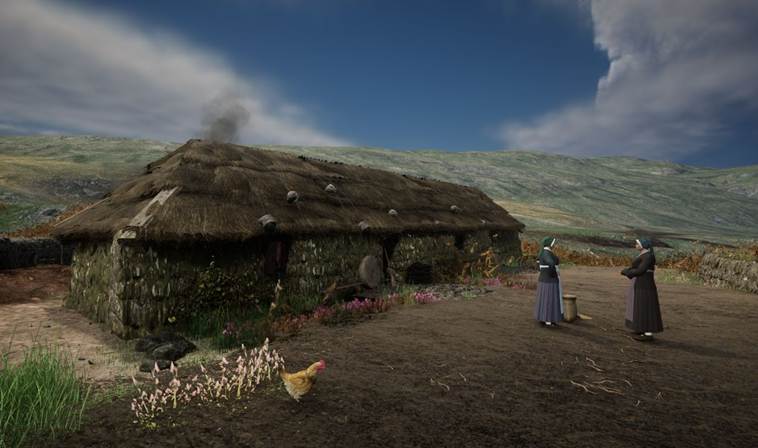
Figure 5 Virtual reconstruction of a Pre-Clearance Longhouse in the Strath of Kildonan.
The Open Virtual Worlds team has maintained a sustained collaborative relationship with the Timespan Museum for over a decade. During this period, the museum has contributed to doctoral research initiatives and has participated in a range of externally funded projects, including the Interreg NPA project CINE, which received an Interreg NPA award in 2025.
Together, the team and Timespan have explored a variety of immersive learning strategies, employing virtual reconstructions that span over 6,000 years of human activity in the region. These initiatives have included early CAVE-based immersive walkthroughs of the Caen township, as well as the development of historically informed virtual characters derived from the digitisation of individuals connected to the township and surrounding cleared settlements.
The Open Virtual Worlds team will collaborate with the Timespan use case across two principal areas of investigation: the Kildonan landscape and its associated archaeological record, and the heritage of Helmsdale, including its historic fishing village and distinctive Jurassic coastline.
The technical objectives of this use case encompass the development of themed content for the Extended Cultural and Community Heritage Cloud (ECCCH), designed to support the exploration, interpretation, and communication of digital cultural heritage. This work will involve the digitisation of landscapes, buildings, artefacts, and historical environments through advanced 3D digitisation techniques and game engine–based virtual reconstruction, which will be further enhanced through the deployment of immersive applications.
In addition, the museum seeks to document and curate intangible cultural heritage, including songs, oral histories, and poetry, to reinforce the narratives identified by Timespan as central to its mission, with particular emphasis on themes relating to climate change and colonialism. Finally, the development of robust metadata and paradata structures will underpin the creation of meaningful and reproducible linkages across diverse visualisation contexts, thereby enabling coherent and contextually informed interpretations of the region’s cultural heritage.
Featured Work with Demo Sites – West Highland Museum
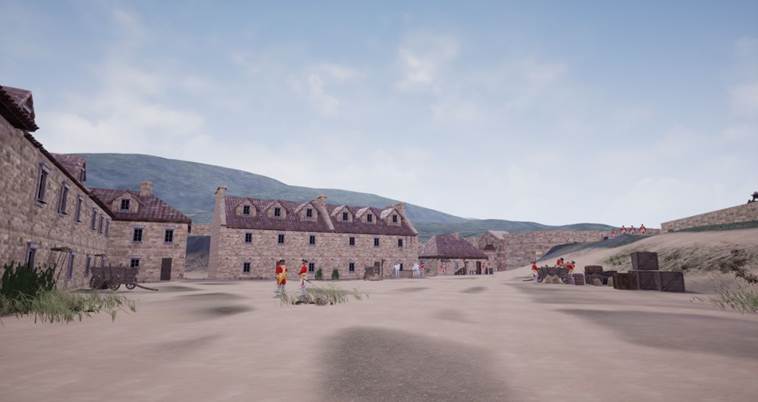
Figure 6 The Fort William reconstruction.
Since 2020 the Open Virtual Worlds team has collaborated with the West Highland Museum, a HERITALISE partner and demo site located in Fort William Scotland, to develop a suite of digital resources aimed at enhancing on-site interpretation and visitor engagement. The launch of the West Highland Museum 100 digital gallery constituted a significant milestone in this partnership, providing a valuable asset that has substantially advanced the museum’s wider digitisation strategy.
In December 2022, a virtual reality installation reconstructing Fort William during the 1746 Jacobite siege was introduced within the gallery. This immersive environment has proven effective in engaging families and younger audiences, including local visitors who may not otherwise participate in cultural heritage activities.
Ongoing initiatives, such as the Lochaber Gaelic Project, further demonstrate the museum’s commitment to safeguarding and disseminating regional intangible heritage. The development of audio resources and related materials remains a key priority within future digitisation agenda.
The OVW team will work withing the West Highland Museum use case in several interrelated areas of focus, including the digitisation of Jacobite object collections, the expansion of the Fort William reconstruction and associated historical characters, the digitisation of the Carmichael collection and research and interactive virtual reconstruction of the abandoned Auliston village within the Highland Life theme, and the exploration of Changing Landscapes through work on the local estates and the Parallel Roads. The technical objectives underpinning this work include the creation of themed content for the Extended Cultural and Community Heritage Cloud (ECCCH) that enhances the exploration, interpretation, and communication of digital cultural heritage. This will involve the digitisation of landscapes, buildings, objects, and historical scenes through 3D digitisation techniques and game engine-based virtual reconstruction, complemented by immersive experiences. The team and the museum also aim to record and preserve intangible cultural heritage, such as songs, stories, and poetry, to enrich the narratives central to the museum’s mission, with particular emphasis on Gaelic culture and histories. Finally, the development of robust metadata and paradata frameworks will enable meaningful, replicable connections across visualisation scenarios, supporting coherent and contextually grounded heritage interpretation.
Conclusion
The Open Virtual Worlds research group at the University of St Andrews exemplifies the power of interdisciplinary collaboration in addressing complex challenges. By combining technological innovation with deep cultural insight, the group has created new ways of experiencing and understanding heritage.
Within the HERITALISE project, OVW’s work plays a crucial role in bridging the gap between data and experience. Their immersive platforms transform digitised heritage into living, interactive environments, ensuring that the past is not only preserved but also actively explored.
As Europe moves towards a more connected and digital future for cultural heritage, the contributions of groups like OVW will be essential. Through their work, history becomes not just something we study, but something we can step into, navigate, and truly experience.
Written by USTAN
 ECHOES is a project funded by the European Commission under Grant Agreement n.101158081. The views and opinions expressed in this website are the sole responsibility of the author and do not necessarily reflect the views of the European Commission.