The European project PeCATHS is pleased to present its new presentation video, an audiovisual piece that captures the essence and vision of this revolutionary initiative. The video, now available on our YouTube channel, offers a clear and concise introduction to the challenges PeCATHS is addressing and the innovative solutions it…
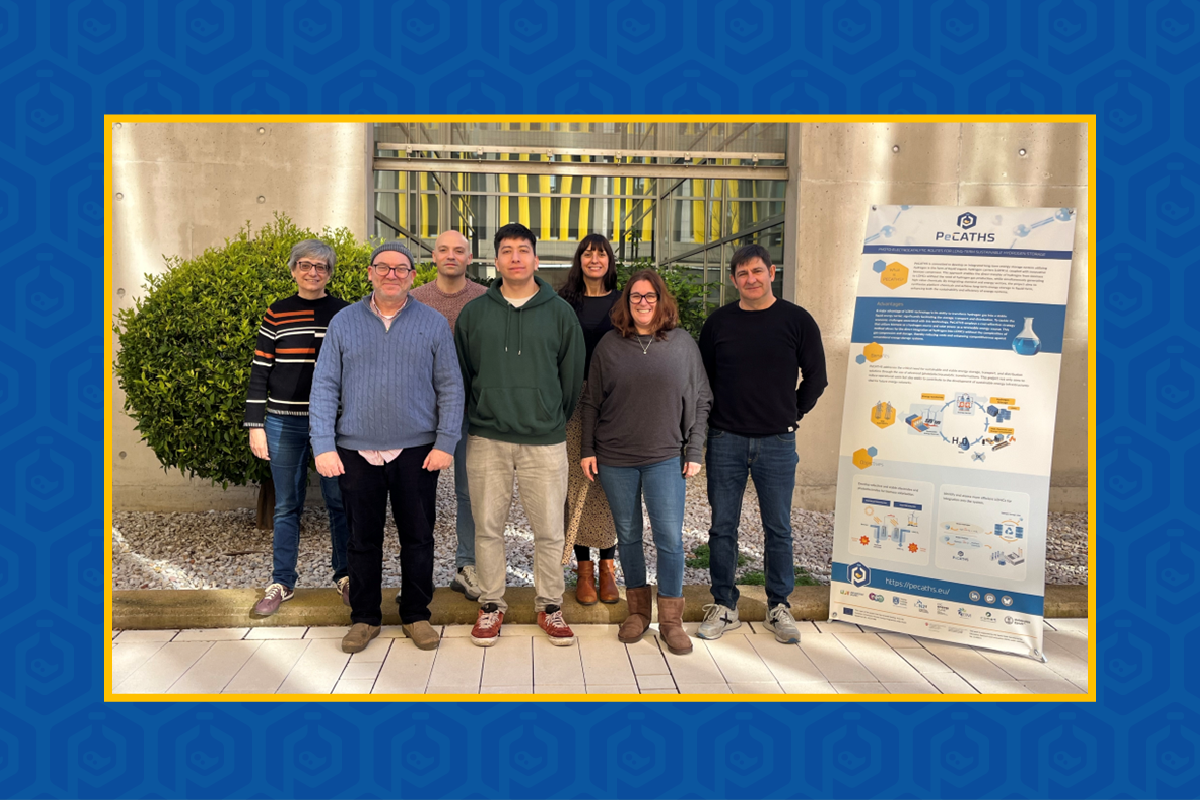
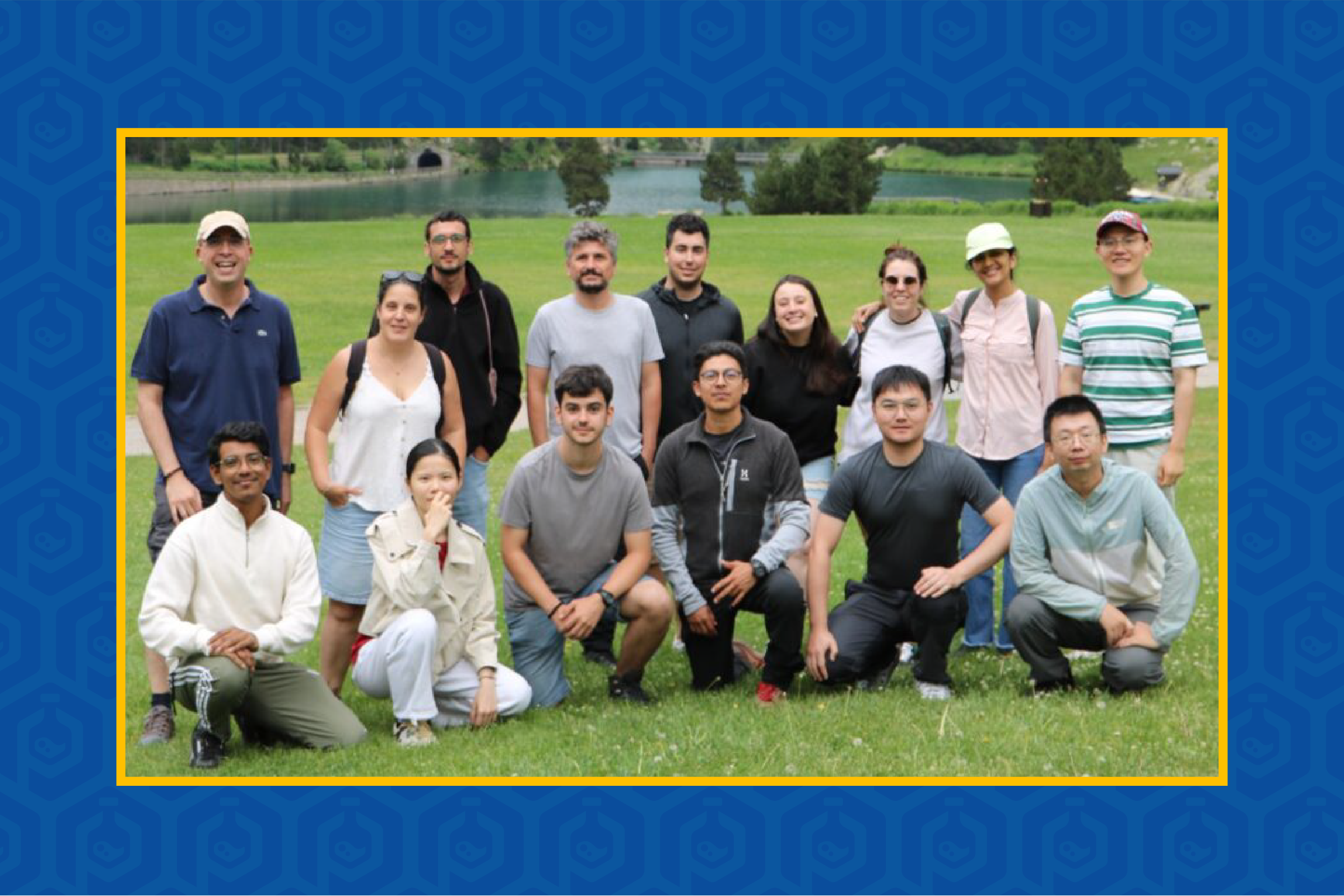
The INAM Group is a multidisciplinary research team working at the Institute of Advanced Materials (https://www.inam.uji.es/) of the Universitat Jaume I. The Institute is an internationally recognized research center dedicated to interdisciplinary science and technology in advanced materials. Its activities are driven by a strong commitment to scientific excellence and…
Behind every European research project lies a diverse network of people, expertise and shared ambition. While scientific results and technological advances are at the core of PeCATHS, the project is ultimately driven by the researchers, engineers and innovators who collaborate across disciplines and borders to make progress possible. To highlight…
Trinity College Dublin (TCD) plays a key role in the PeCATHs project, applying advanced computational approaches and high-performance computing resources to the project. TCD participates in PeCATHs as part of Work Package 3 (WP3) which is focussed on the theoretical modelling of electrodes and reaction mechanisms. Recognized globally as…
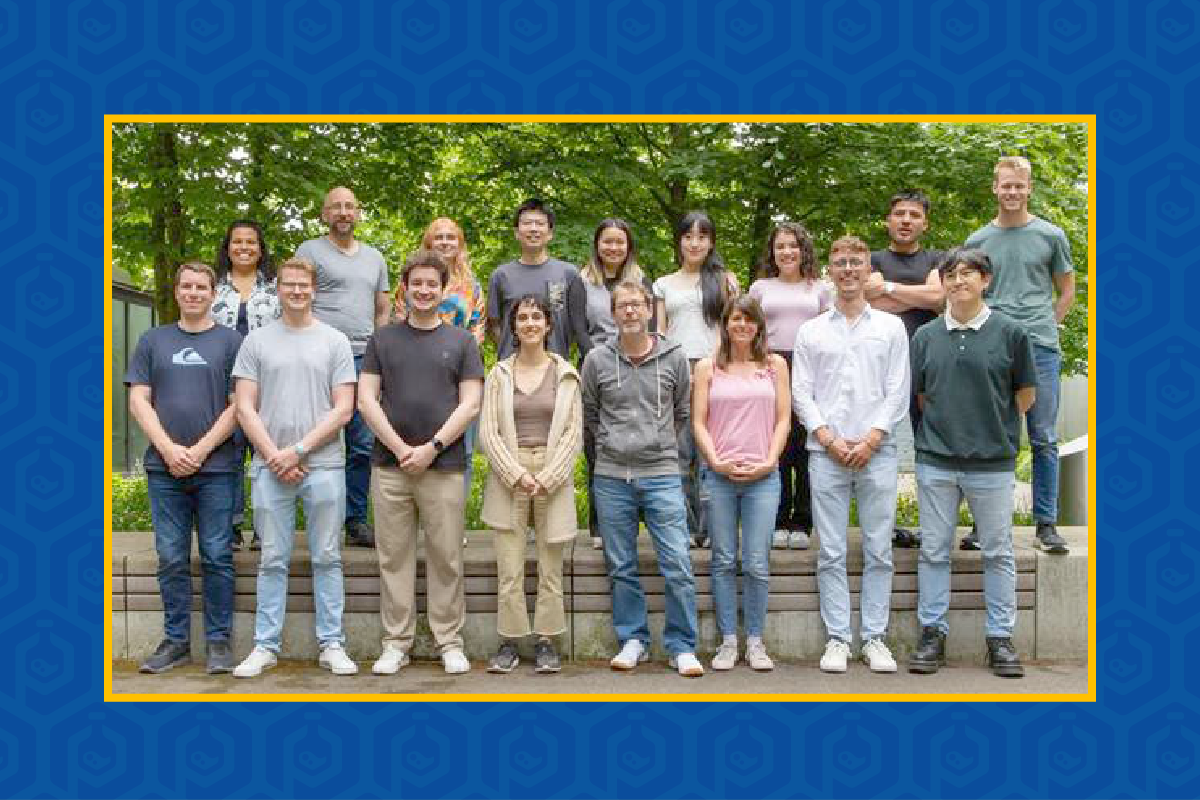
The Tilley Research Group at the University of Zurich (UZH) pioneers the development of advanced materials for solar fuels and organic electrosynthesis. Under the leadership of Prof. David Tilley, the team focuses on innovative electrochemical and photoelectrochemical strategies that convert (solar) energy into chemical fuels and high-value chemical products derived…
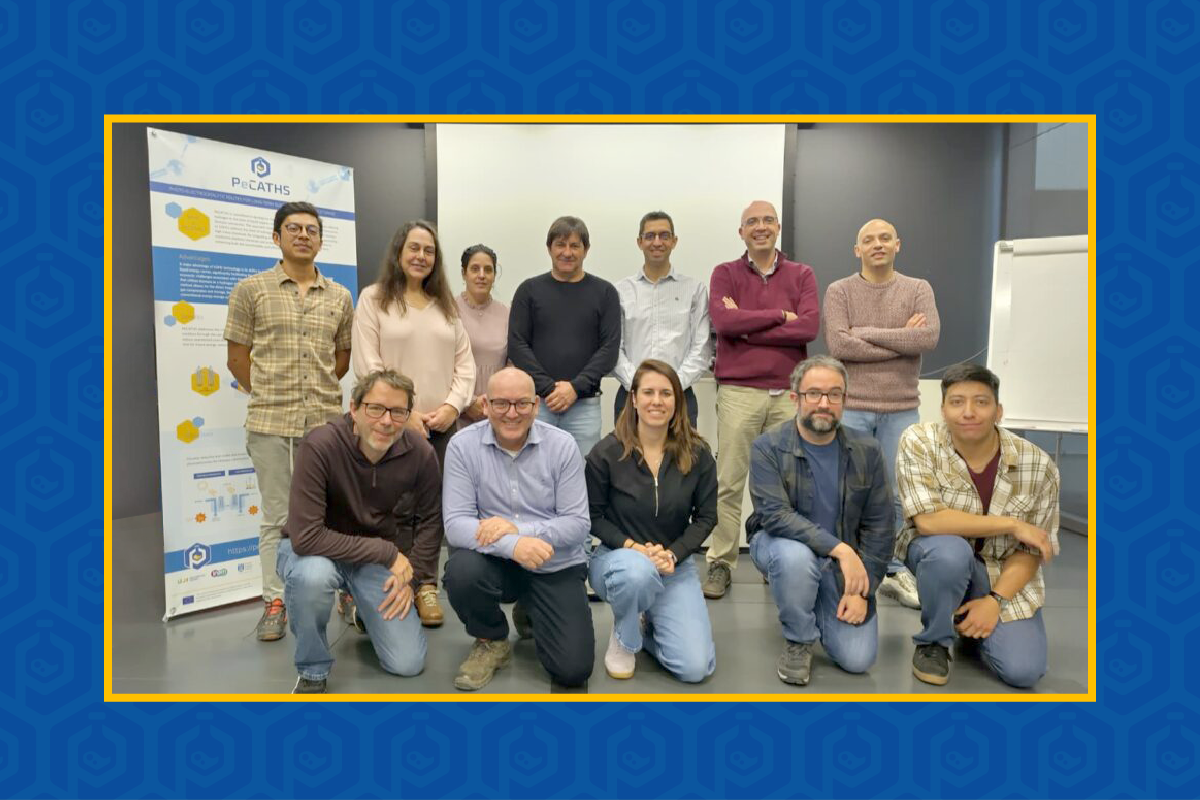
The PeCATHS consortium gathered in Barcelona on 2–3 December 2025 for its first General Assembly, hosted by the Catalan Institute of Nanoscience and Nanotechnology (ICN2). This meeting brought together the consortium members from seven leading European institutions to review progress to date and establish next steps for 2026. PeCATHS focuses…
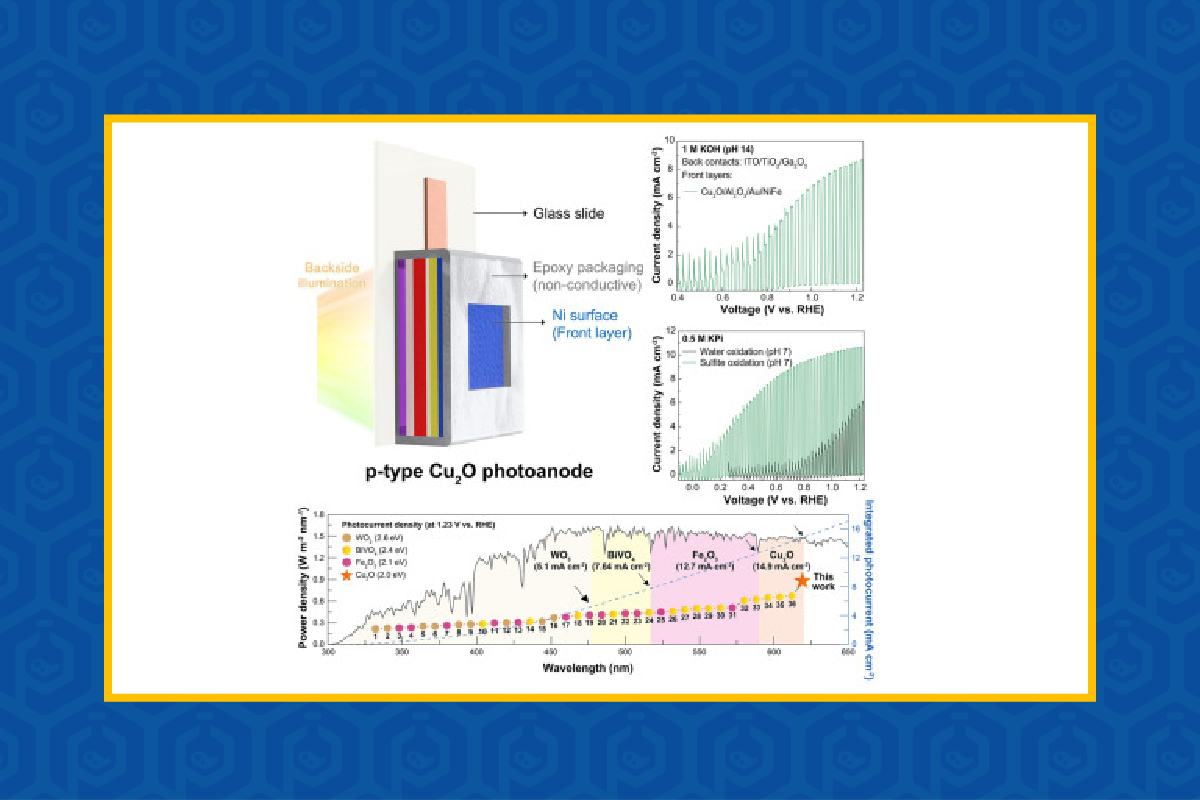
Researchers from the PeCATHS project consortium have published a significant new paper in Joule titled “Photoelectrochemical valorisation of biomass via selective oxidation to enable sustainable solar fuels” (link to article). This publication represents a significant milestone in the project’s mission to advance sustainable hydrogen production and green chemical synthesis through…
The Catalan Institute of Nanoscience and Nanotechnology (ICN2) plays a central role in the PeCATHS project, leading Work Package 4 (WP4), which is dedicated to the advanced characterization of materials, catalysts, electrodes, and devices developed in WP1 and WP2. This transversal work package aims to uncover the mechanisms that govern…
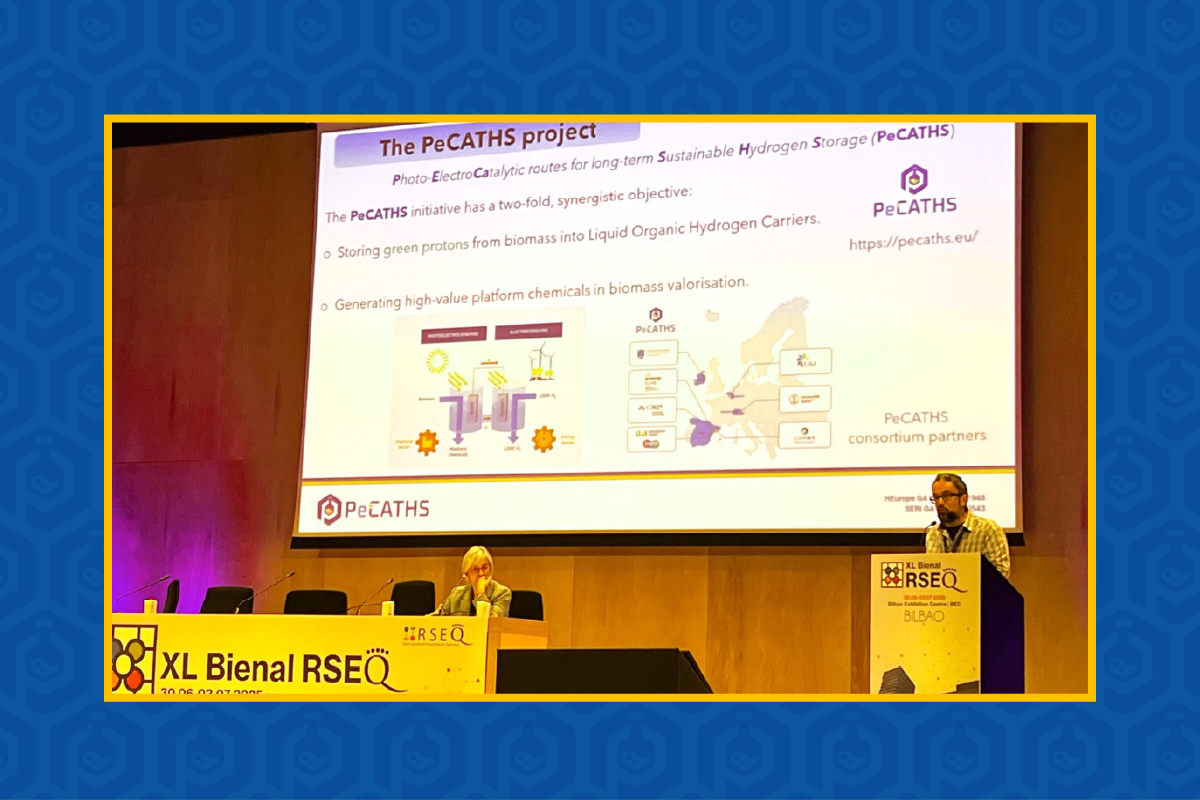
From the 30th of June to the 3rd of July, PeCATHS researchers have presented the latest updates on a high-throughput screening platform for liquid organic hydrogen carriers at the ”XL Reunión Bienal”, organized by the Spanish Royal Society of Chemistry (RSEQ) in Bilbao (Spain). As a national and international network…
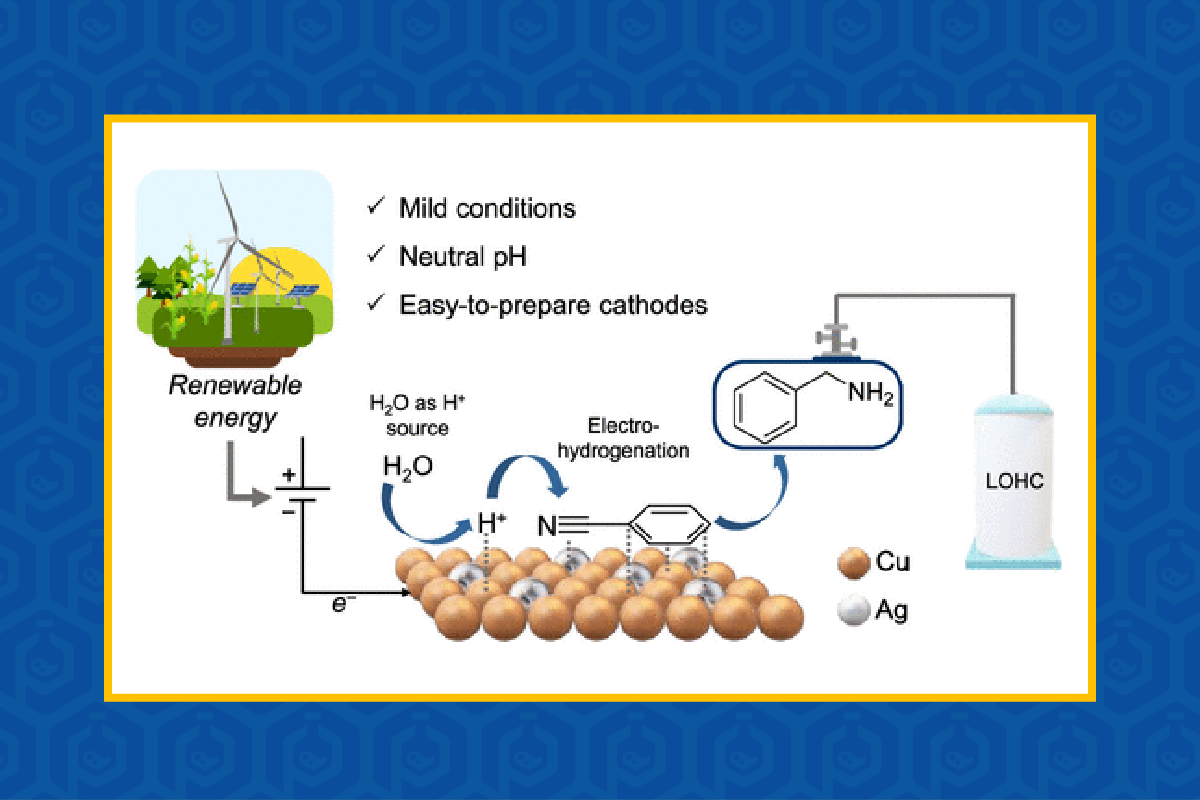
In an era that demands sustainable energy solutions, efficient and eco-friendly energy storage and conversion are crucial. Hydrogen, with high energy density and zero emissions, is promising but faces storage, transport, and distribution challenges. The PeCATHS project partners work to overcome these hurdles. This research, published in ACS Sustainable Chemistry…
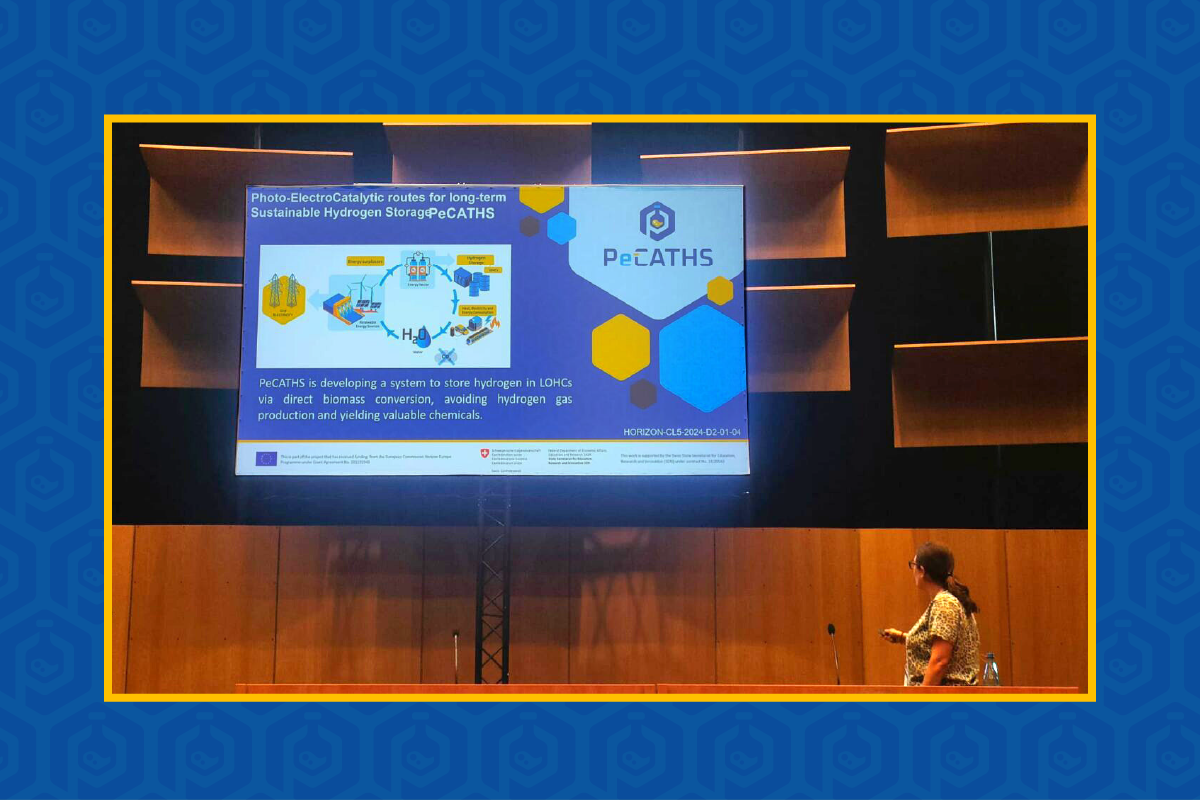
Members of the research and innovation European project PECATHS (Photo-electrocatalytic routes for long-term sustainable hydrogen storage), have presented their results at the eMRS Spring Meeting held in Strasburg. PECATHS is committed to developing an integrated long-term energy storage system utilizing hydrogen in the form of liquid organic hydrogen carriers (LOHCs),…
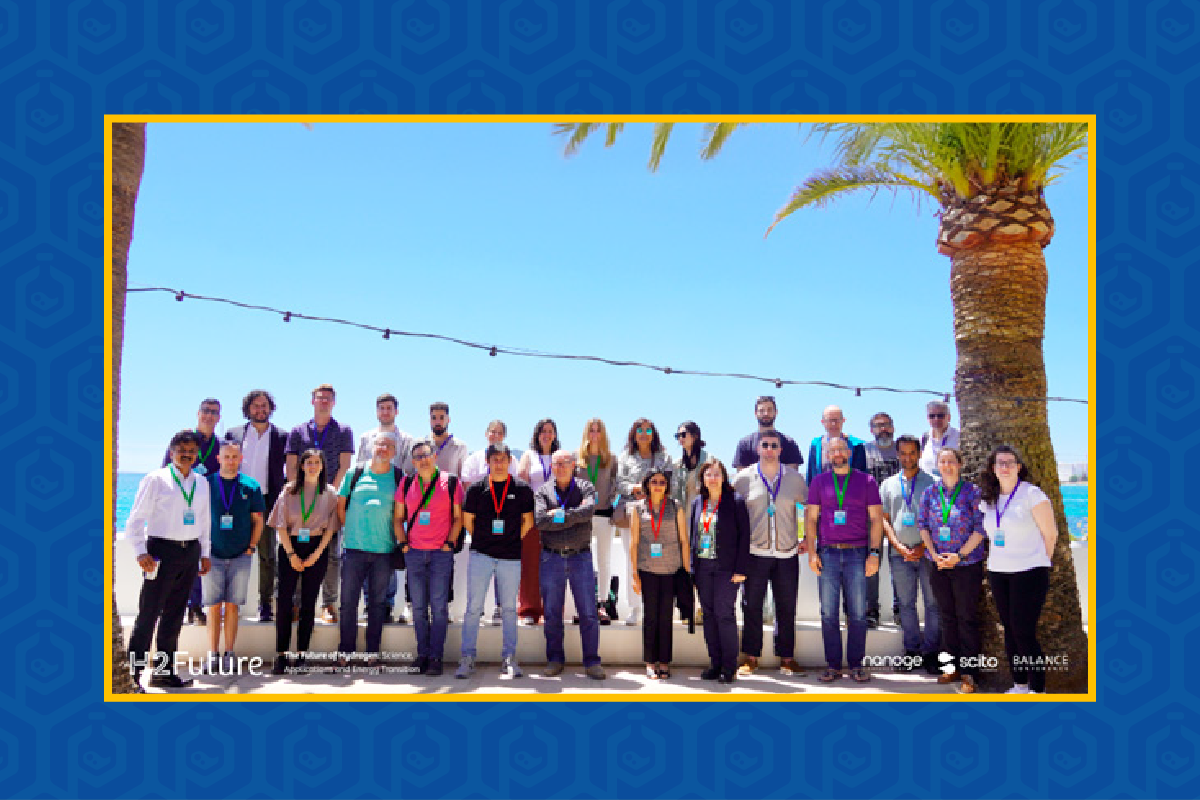
The PECATHS project was prominently featured at the nanoGe Conference on The Future of Hydrogen: Science, Applications and Energy Transition (H2Future25), which took place from May 5–7 in Ibiza. This significant event convened top experts from across the entire hydrogen value chain, encompassing science, infrastructure, and policy, to delve into…